
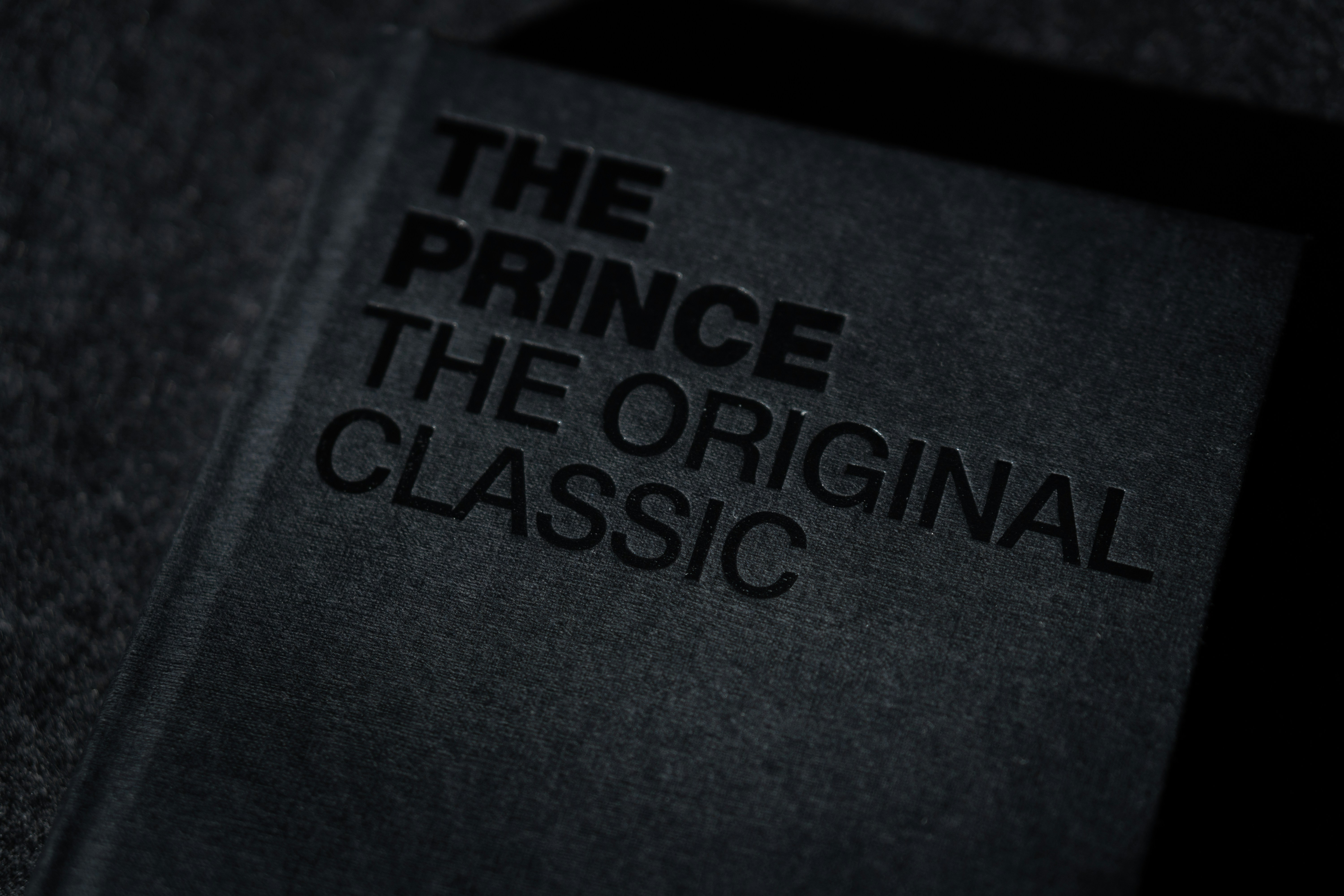
By Juan Davalos
History ponders how Machiavelli’s writings inspired figures like Adolf Hitler, Napoleon Bonaparte, and Joseph Stalin. These figures were so blinded by tyrannical rhetoric that they could not see that he was subtly exposing their ruthless and pragmatic tactics.
When Niccolò Machiavelli penned The Prince in 1513, he could never have imagined the impact that it would have. The work transcended infamous status, faced worldwide bans, and even the term “Machiavellian” was coined as a synonym for immorality.
At face value, the writings serve as history’s sharpest manual on power. Its consolidation, optics, and brutal consequences steer far from our socially constructed morals of what we consider an “ideal” ruler.
However, Machiavelli himself is far from an advocate of authoritarianism; he was a chronicler of the political game who experienced its worst consequences.
According to historians, Machiavelli was a man of relatively small political power just outside Florence, Italy. He was never a man of extraordinary wealth or status but was well-regarded among his peers for his sharp intelligence and overall political skills.
During the Medici invasion of Florence, Machiavelli was imprisoned, tortured, and then exiled from his homeland. Many advocated for leniency and wanted him to get a position advising Giovanni de’Medici’s new authoritarian regime, but this was promptly rejected.
Only then did Machiavelli start writing The Prince as a way to get back in favor with the Medici.
While writing, he put himself in the shoes of a ruthless ruler to show that he could align himself with this authoritative power structure. It was a last-ditch attempt to save himself from future peril and perhaps regain a position in the political game.
He wrote everything someone in the Medici would want to hear from a brutal but effective adviser, but it backfired on him. The Medici never read the manifesto, and although not intended, the writings were also made public after Machiavelli’s death.
Now his name and legacy will forever be associated with a breed of political maneuvering that, while skeevy and cunning, is also devoid of any moral righteousness.
But what is The Prince exactly about?
In today’s context, The Prince is not prophecy, advocacy, or even a handbook; it’s a diagnosis.
According to Machiavelli, “A prince must learn how not to be good, and to use this knowledge or not to use it according to the necessity of the case.”
This is his hypothesis for the manifesto: A leader can’t be tied to morality because, in doing so, you are giving the weapon of immorality to the enemy to cast you down.
He believes that leaders who rely on love and affection alone will always be deposed because people at their core are fickle and forgetful. However, fear, unlike love, has a more predictable outcome: compliance, and if used with violence, it tends to linger in the public consensus for generations.
The tools presented to maintain power are cultivating fear, suppressing dissent, co-opting elites, and manipulating public opinion. But here is the twist: By making them public, it also served as a guide for people to watch out for.
Essentially, the better you understand power, the more you can identify when it’s being abused.
So, it’s no surprise then that governments, especially in times of conflict, resort to Machiavellian tactics. Not because they’ve read him but because power operates in predictable patterns. Power begets power.
The only “evil” or “Machiavellian” aspect in the entirety of The Prince lies in its unsparing brutal honesty. The truth that leaders often act not out of virtue but out of self-interest is timeless, and it’s precisely why we should not dismiss the book as a relic of tyranny but embrace it as a warning.
“A wise prince should establish himself on that which is his own, and not on that of others,” wrote Machiavelli.
The brilliance of the book is that it strips power down to its raw mechanics. It spends no time trying to rationalize or excuse its actions to any religious or moral structure because there is no idealistic version of a “just” leadership.
This may make many readers uncomfortable and be the reason it attracted such vile dictators to its dogmatic structure, but his goal was never to tell people how the world should be. He was telling us how it is.
For example, when he explains that appearances matter more than reality, he’s giving us the toolkit to understand propaganda, spin, and performative governance.
“Everyone sees what you appear to be; few really know what you are,” wrote Machiavelli.
So, critics who paint him as a monster or leaders who view his work as literal advice completely miss the nuance of the book. They treat The Prince as a moral blueprint rather than a political diagnosis.
Machiavelli’s dismissive tone doesn’t advocate cruelty; it demystifies it. Once you understand the dynamics at play, you can resist or overthrow them. The book is essentially a long-winded reminder of the Latin phrase sic semper tyrannis, or “thus always to tyrants.” Machiavelli has inadvertently taught us to be constantly wary of the ruling element for our own sake.
–-
Photo courtesy of Marius Teodorescu on Unsplash.