
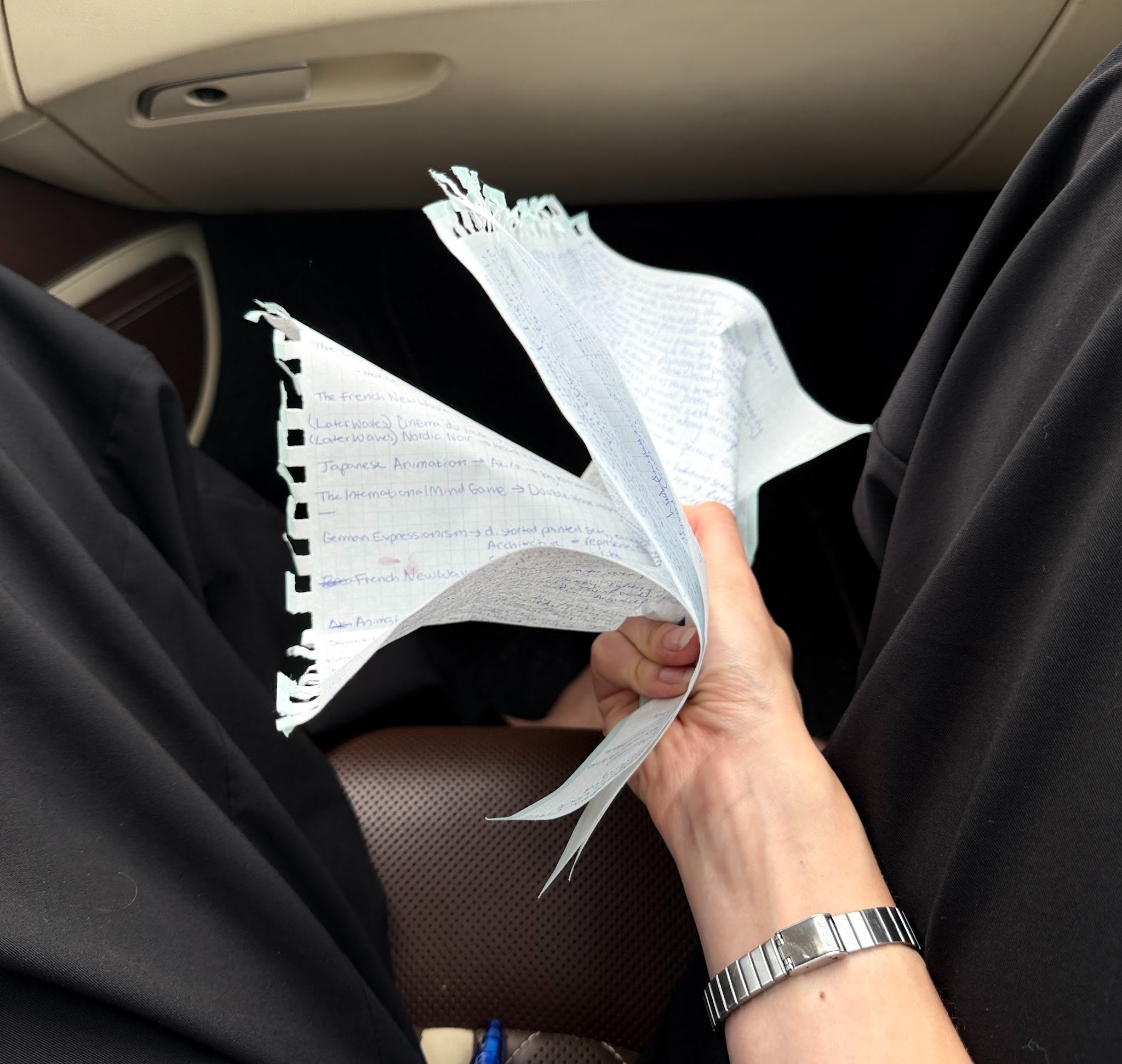
Photo Courtesy of Melanie Mirnaya
By Melanie Mirnaya
The deadlines are creeping up, your notes are scattered all over the place, homework submissions feel messy, the group assignment is not cooperating, and you are running seriously low on sleep. This is the perfect formula for a midterm crash out.
What Is a Midterm Crash Out?
Merriam-Webster defines “ crash out” as “to become suddenly, uncontrollably angry or distressed.” And tis the season for midterm progress reports. The stress that comes with this part of the semester can certainly make someone feel distressed.
Crash outs often happen around midterms because this is when students are expected to put everything that they learned since the start of the semester into action.
Assignments start to pile up. Project deadlines approach, and exams appear on the calendar. Group projects become complicated. Before you know it, all of these academic duties add up at once and can begin to feel highly overwhelming.
While I cannot guarantee a way to avoid the midterm crash out entirely, I can share some of my personal strategies and philosophies that help me stay grounded during this part of the semester. As well as share plenty of resources on campus that can make the process a little bit easier.
How to Avoid the Crash Out?
The way I minimize my own midterm crash-outs is by taking things one day at a time. I know this might sound counterintuitive during a time when it feels like there are already a million things on your plate. However, when I decide to begin each day by focusing on just one task at a time, I find that I eventually am able to complete my to-do list in the least overwhelming manner. I begin by organizing assignments by deadline.
For example, if something is due tomorrow, then I should not give my priority to an assignment that is due in a week. After this step, I try to focus on assignments that work in my favor, such as my favorite subject, one that I am more comfortable with, or something that is simpler to complete.
Being able to accomplish something and cross it off your to-do list can generate momentum in your workflow and make the rest of the workload feel lighter.
When it is time to tackle the more challenging assignments, I try to approach it with realism. It is always better to begin something and then correct or improve it rather than to let it sit in stillness from the fear of imperfection. A weak draft can be edited, but a nonexistent draft cannot be.
Another charming strategy is to create an incentive to maintain motivation.
For example, meeting up with a friend after a study session, getting something to enjoy after an exam, or giving yourself something to look forward to can help alleviate the stress after a stress-ridden mid-term season. I always attend a yoga class in the Fitness Center or meditate with Balance UT to unwind from a hectic week which helps improve my sleep.
Most importantly, utilize the on-campus resources available to you.
Throughout my time here, I have spent many hours outside of class in one-on-one sessions with professors reviewing for a test and maximizing my success.
Attend your professors’ office hours if you are struggling to grasp the material. Go to the Writing Center to improve your essay. Visit the Speech Center to enhance your presentation. Schedule a tutoring session to complete your homework.
There are plenty of academic resources offered by our university; all you have to do is take initiative, reach out, and ask.
Lastly, I like to remind myself that this moment is going to pass anyway. The hours spent studying for an exam will eventually be over. The assignment will eventually be submitted. The presentation will eventually come to an end.
Most importantly, a grade will not be the end-all, be-all of your academic career or you as a person.
The Takeaway
Sometimes a midterm crash is inevitable. College can be stressful, and there will be times when everything begins to take motion all at once.
However, the goal of college is not to have an absolutely perfect experience, but rather to learn how to manage difficulties before they become too overwhelming. Take it one task at a time, begin before you feel ready, ask for help when you need it, and most importantly remember that your academic performance is only one aspect of your life.
At the end of the day, the semester will keep moving forward whether you are ready for it or not. So you might as well make a to-do list, take a deep breath, and keep going.
—————————————————————————————————
For more academic resources, see the Academic Support page or check out the wellness and counseling service by visiting the UTampa Wellness Center.