
Photo courtesy of MSC-Design Design via Pexels
By Carla Morales
TAMPA, Fla. – College students are misusing highly effective injectable medicines including GLP 1, in recent studies it was found that 69-84% of women experience body dissatisfaction to be a lower weight than they currently are.
Specifically, being around new people in college can cause students to feel an unrealistic pressure to obtain a certain body type. As these comparisons become a part of everyday college life, the flat stomachs, slim waists and toned bodies displayed on social media reinforce the pressure to achieve a particular appearance. The idea of being skinny is becoming an expectation rather than simply a personal preference. What happens when wanting to look a certain way turns into an unhealthy obsession?
New faces, new bodies and new standards.
Celebrities like Kendall Jenner and Bella Hadid have supported the popularity of beauty standards that emphasize posting slim figures, flat stomachs, and defined facial features on social media, influencing how young women perceive themselves within their own bodies. For a young woman, it can be difficult to recognize how those celebrity social media posts are most likely edited using the many apps available today.
According to The Renfrew Center, 88% of college students say social media makes body image worse.
Additionally, artificial intelligence applications such as ChatGPT also have the ability to be used as photo-editing apps with simple requests like “make my stomach flatter” or “make my waist look smaller.”
Constant exposure to certain body types can distort someone’s perception of what a normal body looks like and adds pressure to look good in campus outfits, going-out clothes, and bikinis.
As the constant pressure to achieve these idealized body types grows, unhealthy ways to achieve them also grow.
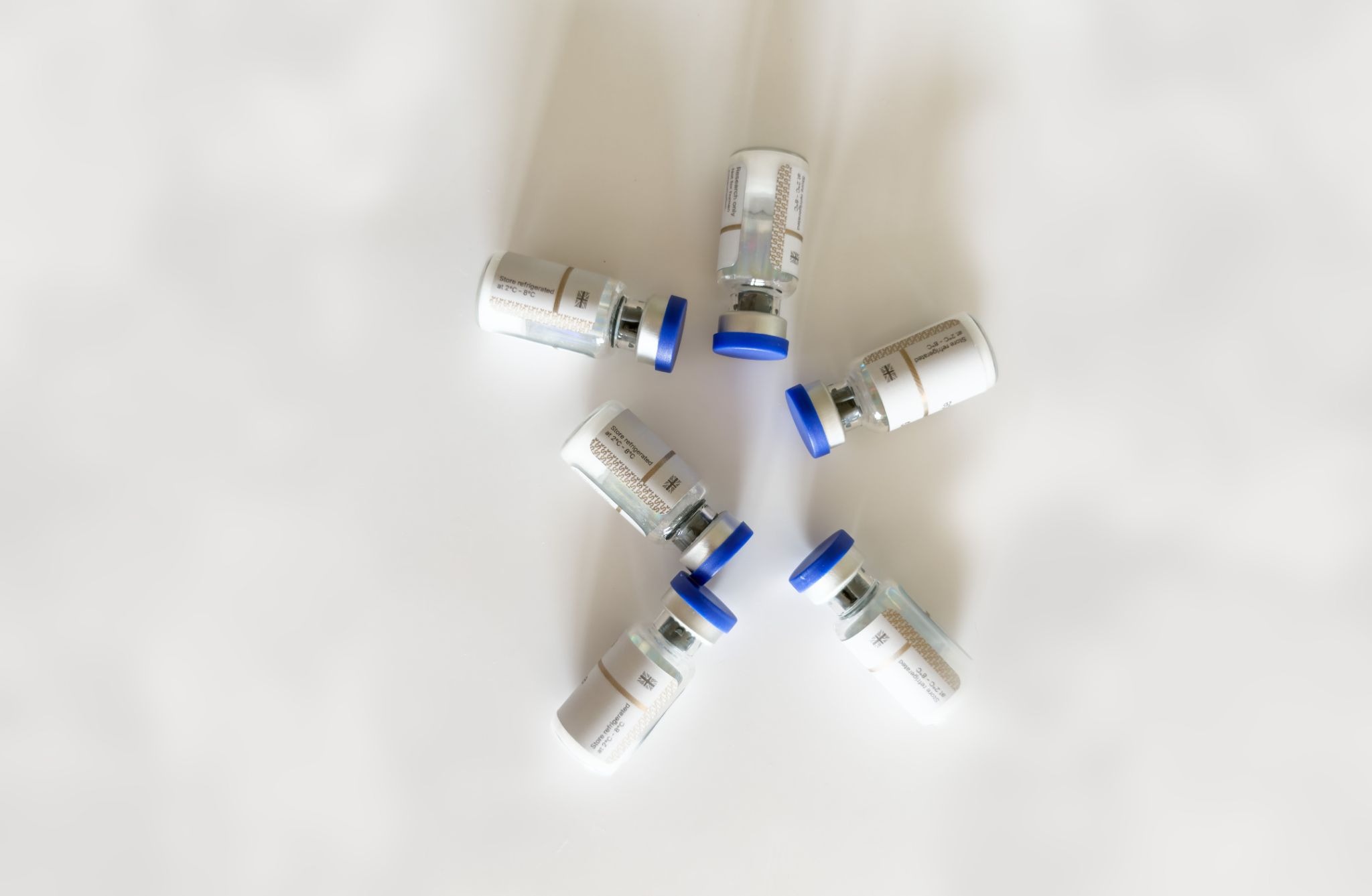
GLP- 1 is a peptide-based medication that helps regulate low blood sugar levels and promotes weight loss. They are commonly prescribed as part of a treatment plan for someone with Type 2 diabetes or obesity. This medication is an injectable liquid that is administered through a weekly needle and syringe injection in a fatty part of the body. According to Innovative RX Strategies, the approval of Zepbound, a FDA-approved weekly injectable prescription medicine, in 2023 introduced the first GLP 1/GIP combination drug. “The employer coverage weight loss GLP 1 jumped from 28% to 48% in one year.”
Although GLP- 1 is meant to be a helpful medication for some, college students are using it to their advantage. According to Fox News, the trend is making its way onto college campuses, and market research shows that GLP-1s are growing fast among adults under 40, particularly women.
The normalization of injecting a peptide-based medication is becoming normalized, with numerous students having discount codes for websites and it taking over large schools such as Arizona State University. According to The State Press, the student-operated new publication at ASU, a freshman studying business said the thought of injecting yourself can be scary, but since everyone around you is also doing it, it feels okay.
Ultimately, the growing popularity of weight-loss medications among college students raises concerns about how far young women are willing to go to meet unrealistic beauty standards. What may begin as a desire to feel confident in their own appearance can turn into a willingness to experiment with medications that are not intended for cosmetic weight loss.