
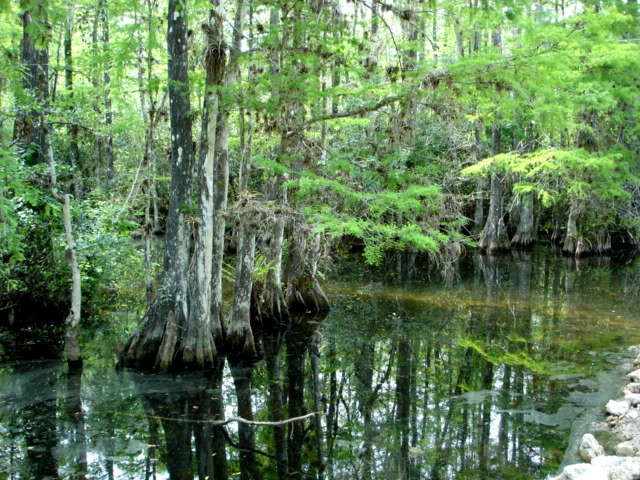
Photo courtesy of Hein Mück/Wikimedia Commons (CC BY-SA 3.0).

By Morgan Rudowicz
Florida is home to a diverse, ever-changing ecosystem. Florida’s variety of ecosystems includes a range of coral reefs, coastal beaches, freshwater springs, and wetlands. Different weather patterns and changing seasons shape the coastal environment, which brings everything from rainstorms to tropical storms, hail, and even snow. These weather conditions influence Florida’s natural landscape and wildlife for both visitors and residents, the former of which play a crucial role in the state’s economy.
According to Visit Florida, “Florida welcomed a revised total of 143.33 million visitors in 2025, an increase of 0.2% over the previous year and a record for the State of Florida.”
Tourists need to understand that Florida’s ecosystem needs to be protected, both for tourists, but also for Florida residents. These environments are facing increasing pressures with increased tourism, and need to be monitored closely.
The Everglades, for example, provide natural spring drinking water for millions of South Florida residents. The Everglades are also home to the Seminole Tribe, whose connection with the Everglades is to inform people that there is wildlife out there that may be endangered, or even in line for extinction.
According to Florida Seminole Tourism, “Worldwide visitors come to the Everglades for all kinds of reasons. Some enjoy the solace of the environment and the opportunity it gives them to relax and commune with wildlife in a wondrous setting. Photography enthusiasts delight in the multitude of wildlife and plants. Adventure seekers come for the thrill of airboat rides across the river of grass and so much more.”
Not only are the Everglades important and at risk, but so are coral reefs. Coral reefs are basically the diversity hotspot for wildlife in the ocean. These coral reefs are facing threats due to the ocean warming up from global warming, and also bleaching and disease.
According to MDPI Environments, “The combination of high tourism levels and dense coastal populations increases human interaction with the region’s coral reefs, creating both greater opportunities for people to benefit from the ecosystem services they provide and greater risks of human-induced stressors affecting the reefs. The loss of coral reefs would have far-reaching consequences for the region’s economy and culture, both of which are deeply connected to the local marine ecosystem.”
As tourism in Florida continues to grow, so does the importance of maintaining a stable and healthy environment for the state. Environmental data over the years have highlighted changes and challenges the ecosystem has been facing. Tourists and residents can play a role in their environmental impact through everyday actions, big or small.