
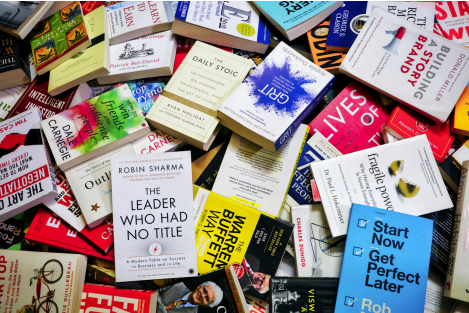
Photo courtesy of Shiromani Kant via Unsplash
By Carla Morales
TAMPA, Fla. – On Wed. Sept. 23, Florida’s Commissioner of Education, Henry Mack released a memo to School District Superintendents Charter School Leaders with the purpose to remind school boards that it is their responsibility to
ensure materials made available to students in classrooms and school libraries are consistent with Florida law.
In Chapter 1006 Section 28 of the Florida Statutes, school districts must establish procedures for reviewing and selecting instructional materials, including addressing complaints about materials that may be inappropriate for students.
The memo released states that, “Florida law also requires school librarians, media specialists, and other personnel involved in selecting library materials to complete the Department’s required training. That training addresses s. 847.012, F.S., which prohibits an adult from knowingly distributing to a minor on school property certain visual depictions of nudity or sexual conduct that are harmful to minors, as well as printed materials containing explicit and detailed descriptions of sexual excitement or sexual conduct that are harmful to minors.”
Hillsborough county was called out in the memo as an example of how reactive reviews are insufficient in certain counties, as students still have access to books containing sexual and explicit content.
Certain titles, including “Kingdom of the Feared”, “Kingdom of the Wicked”, “Kingdom of the Cursed” and “1Q84” were brought to the attention of the Hillsborough County School Board by parents who identified those passages they believed contained content that was not age-appropriate for their children.
In a Facebook post published on Oct. 8, a mother from Hillsborough County stood before Plant High School’s school board and complained about a page in a book that showed a man and woman engaging in a sexual act. As she tried to show the page to the room full of adults, a police officer had to walk over and physically rip the book from her hands.
Leslie Vega, reference instruction librarian and digital access librarian at the University of Tampa, said she believes many of the books being challenged are appropriate for young readers and that restrictions extend beyond concerns about age-appropriate content.
“I think most librarians are extremely concerned,” Vega said, adding that librarians in school and public libraries are sometimes directly targeted over book restrictions.
Vega said school librarians receive training to select age-appropriate materials and argued that disagreements over the ideas presented in books can become a matter of censorship.
“I fully trust that, you know, if not all of these books being targeted, are age-appropriate,” Vega said. “The issue is some people just don’t like the ideas in the books.”
Vega emphasized that reading about experiences beyond one’s own can help children understand complex subjects, including racism, bullying, violence, and the experiences of the LGBTQ+ community.
“We need to read about topics and experiences that are not about our experience as well as about our experience,” Vega said. “That’s how we grow. That’s how we learn.”
She said restricting access to books can prevent students from recognizing themselves and others in the stories they read, limiting opportunities to learn about difficult topics before encountering them in their own lives.
“Children can handle complexity, and we need that,” Vega said.