
By Nicolas Mezzaucella
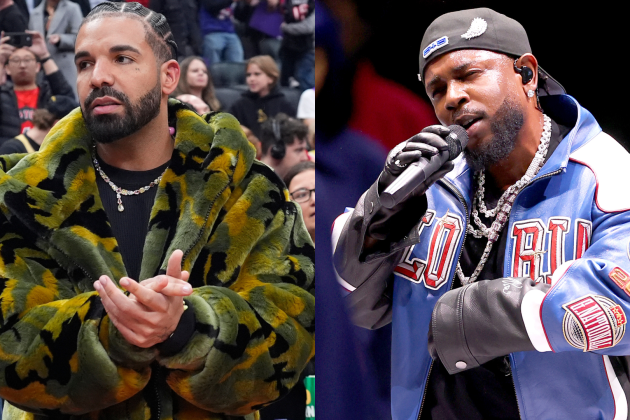
When Drake and Kendrick Lamar first started to clash in the spring of 2024, the rap world saw what was ten plus years of back and forths turn into one of the most historic and controversial rap beefs of all time.
The beef started way back in 2013 when Lamar dissed Drake and other rappers on Big Sean’s “Control.” After years of subliminals and sneak disses, Drake and J. Cole dissed Lamar on their track “First Person Shooter,” which prompted Lamar to respond on Future and Metro Boomin’s “Like That.”
After tracks such as “Push Ups,” “euphoria,” and “6:16 in LA,” it seemed that Drake and Lamar were keeping the back and forths relatively light. That lasted until Drake released “Family Matters,” in which he discusses Lamar’s wife and kids, prompting Lamar to respond with “meet the grahams,” where he accuses Drake of hiding a child from the world, along with allegations of different crimes.
Lamar doubled down on these allegations with “Not Like Us,” further accusing Drake of pedophilia, shady business practices, and exploiting the music business for his benefit. As “Not Like Us” grew in popularity and eventually reached No. 1 on the Billboard Hot 100, attacks on Drake’s name and likeness began to appear everywhere, prompting Drake and his legal team to take legal action against Universal Music Group (UMG), Spotify, and others.
Drake first filed a petition in New York alleging that UMG and Spotify artificially inflated the streams of Lamar’s diss tracks. Drake’s petition accuses UMG of unleashing “every weapon in its arsenal, including, on information and belief, certain practices that are unlawful.” The lawsuit also described a shooting that took place outside of Drake’s Toronto residence and a trespasser that dug under his fence to break into his home, citing UMG’s actions have put his life in danger.
Just one day later, on Nov. 26, 2024, Drake filed in a Texas court where he alleges that the record label paid iHeartRadio to boost radio play of “Not Like Us” and that they knew Lamar’s diss contained false allegations but failed to prevent its release.
Drake furthered his battle against UMG on Jan. 15 when he sued the label in the US District Court for the Southern District of New York, accusing the label of defamation and seeking “compensatory and punitive damages.”
UMG responded to the lawsuit in a statement to CNN: “Not only are these claims untrue, but the notion that we would seek to harm the reputation of any artist — let alone Drake — is illogical. We have invested massively in his music and our employees around the world have worked tirelessly for many years to help him achieve historic commercial and personal financial success.”
The latest release from Drake’s legal team came hours before Lamar was slated to perform at the 2025 Super Bowl halftime show.
“UMG is masquerading as a champion of artistic freedom by calling its actions merely ‘entertainment,’ but there is nothing entertaining about pedophilia or child abuse in the real world,” Drake’s legal team said in a statement to The New York Times. “We are confident that the evidence we will ultimately present at trial — including information we’ve already learned and continue to receive since filing the lawsuit — will expose UMG’s gross prioritization of its own corporate profits and executive bonuses over its exclusively signed artists’ well-being and the truth.”
Lamar took the stage during the halftime show and performed both “euphoria” and “Not Like Us,” further airing the claims he made about Drake to an audience of over 133 million people, making it the most-watched halftime show of all time.
–
Photo courtesy of Yahoo.