
By Emily McLaughlin
TikTok has become a worldwide app with over one billion monthly active users globally and 170 million users in the United States. People may not realize that there is a competition involving ByteDance, a private global company founded by Chinese entrepreneurs, and the U.S.
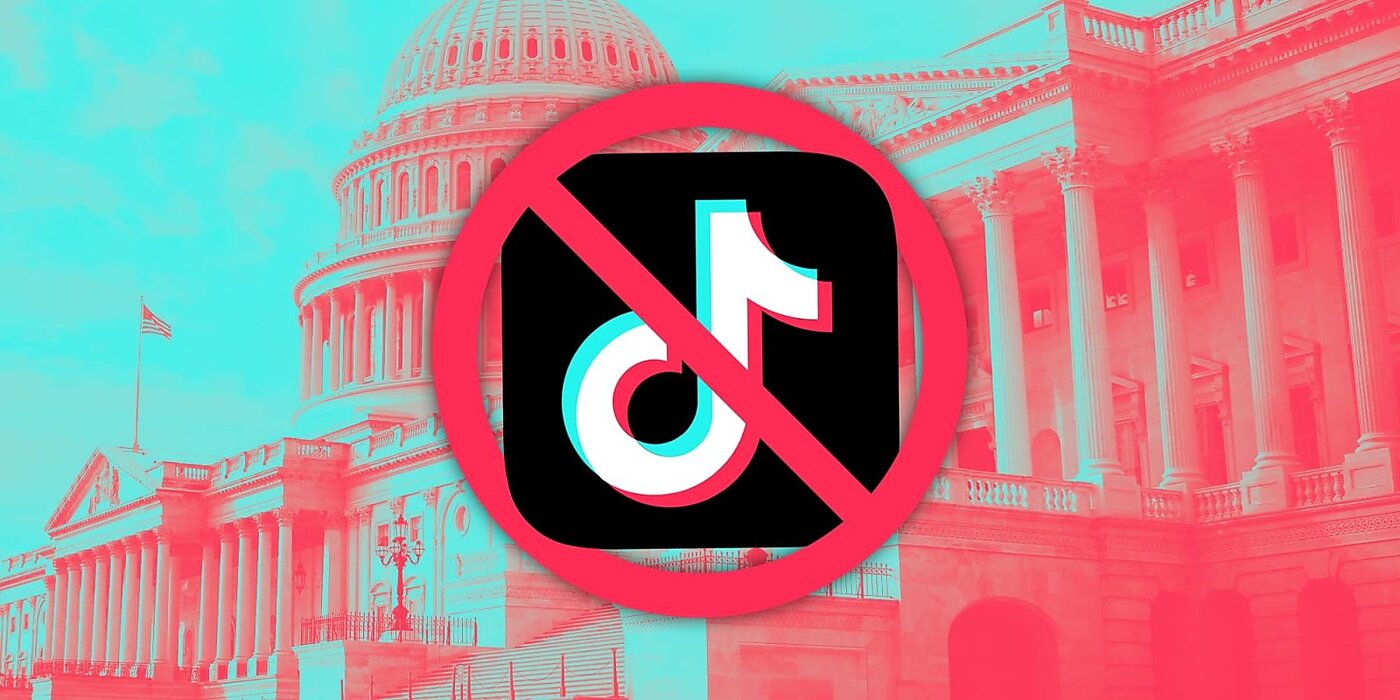
TikTok owners argue in federal court that not only is this potential ban unconstitutional, but it’s also not technologically possible. In April 2024, President Joe Biden signed a law that includes a 9-month deadline for TikTok to be sold to a U.S.-approved owner or it will face a ban. Congress passed a law last year giving ByteDance until January 2025 to lose their interest in the app or the app would no longer be available within the U.S.
On the other hand, ByteDance says this will violate the First Amendment rights of the company and the hundreds of millions of Americans who use the platform. They are asking the federal court to reduce a decision soon to give the Supreme Court the final say before the ban is potentially set to take effect early next year.
The United States legislators fear that ByteDance could be secretly run by the Chinese Communist Party (CCP). It is believed that the CCP tracks videos that Americans watch, manipulates the information that Americans see, sways the public view of China, and influences American elections as propaganda.
NBC News said, “The Justice Department and a senior U.S. intelligence official say flatly that they have no direct evidence China has used TikTok for propaganda purposes in the U.S. They also say there is significant risk that could happen.”
Pros of banning TikTok include not needing to worry about the concerns involving Chinese governments influencing the app. This way, there can be a reduction in the potential foreign entities accessing and exploiting sensitive information of users, which safeguards national security interests.
Another pro of banning TikTok would be improving children’s attention span and their lack of focus. This could also help children engage in outdoor activities, find new hobbies, and develop stronger concentration skills.
The cons of banning TikTok include the freedom of expression, which allows individuals to share their thoughts, talents, inspirations, and opinions. So, banning TikTok can limit freedom of speech and the ability to express oneself and connect with a global audience.
An interview conducted on NPR had Jacob Huebert, First Amendment lawyer, on the show. He said, “The government absolutely should not be imposing rules on the ideas that are shared on social media platforms.”
A second con to banning TikTok is users’ experience and entertainment. Since so many people engaged with TikTok, banning it would lessen the ability of people’s unique forms of entertainment and community. This can also get rid of platforms for creators, influencers, and businesses that rely on the platform to promote their brands. Without TikTok, that could disrupt the system individuals have made and the livelihoods of companies and families, and lessen opportunities for individuals.
“Banning TikTok would shut down a lot of small businesses, including mine,” said Brandon Hurst, a Los Angeles plant shop owner, to The Washington Post.
I think banning TikTok would be a good idea because it allows individuals to not go through rabbit holes on TikTok like I tend to do from time to time. Yes, TikTok has allowed individuals to communicate with a wide variety of people but it has also lessened the physical connection of meeting others in person.
It is understandable and beneficial that TikTok has allowed individuals to obtain jobs and TikTok is another form to grow businesses; however, there is a lack of sophistication with analytics and measurement tools. This can cause challenges with tracking return on investment and assessing effective marketing efforts.
TikTok has also become a bad influence, involving unrealistic beauty standards and body images. The constant exposure to filters and editing the “right video” leads to feelings of poor self-esteem and a lack of loving one’s true self for what they look like.
So the next time you’re on TikTok, think, how much time do you really spend on it? Do you wish you were with your friends doing something like you see others doing on TikTok? Do you feel that you are less because someone else is better looking? These questions might be helpful when deciding if TikTok really should continue to be in the lives of those who consume it.