
By Nicolas Mezzaucella
Internships are important for every student. They help develop skills for the workforce and give students real-world experience that will set them apart from the competition when they begin their job search after college. Going into my internship with The Borgen Project, I expected to learn how to work with a content team, write different types of articles, and network with people in my field. All of that happened, but I didn’t expect to grow so attached to the topics I would cover.
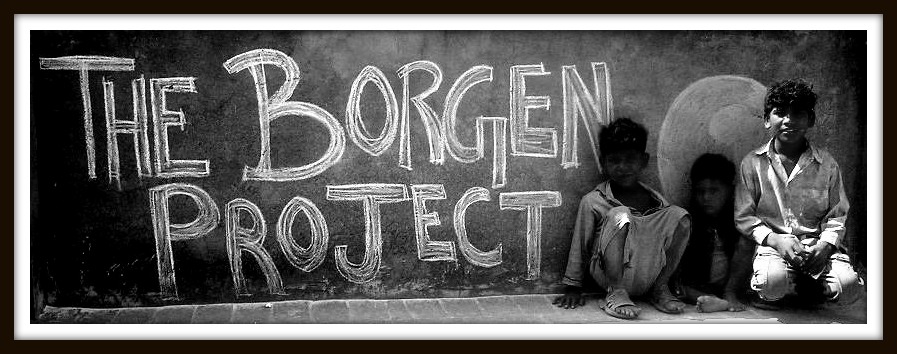
The Borgen Project is a nonprofit organization that addresses poverty and hunger and works to end them through advocacy, mobilization, and education. The organization’s primary goal is to spread awareness of poverty and hunger-related issues and to lobby U.S. leaders to support poverty-ending legislation.
My work for the organization consisted of covering global health issues for their blog and magazine. As a global health writer, my job was to bring attention to different health crises in underprivileged parts of the world and encourage our readers to do anything they could to help improve these situations. The three areas of focus I chose for my writing were natural disaster relief, food and water assistance, and education aid programs. My writing on these topics allowed me to see the interconnectedness of world issues and helped me realize the importance of helping those in less fortunate positions.
I spent most of July covering Hurricane Beryl and its impact on Central America and the Caribbean. My articles discussed the storm’s impact on different low-income communities in El Salvador, Barbados, Jamaica, and Grenada and how organizations such as the World Food Programme (WFP) were assisting in the disaster relief effort. Seeing the resilience of the citizens who were affected by the storm and the emergency response workers was incredibly inspiring and prompted my team of writers to raise money to send to the WFP’s disaster relief fund.
My work on food and water assistance was some of the most challenging writing I have had to do. The food crisis in Sudan has continued to worsen since the country entered into a civil war in 2023, leaving more than 25.6 million people facing extreme hunger, with 5 million of them on the verge of starvation. Factors such as war and climate change have made it nearly impossible for Sudanese farmers to grow crops. Climate change has caused a decrease in rainfall in rural Sudan, and many water sources are being depleted due to droughts. While writing the article, it was important for me to relay to the reader that most of these people are enduring this food crisis for reasons they could not control. The more I researched stories of those affected by the crisis and the work of organizations trying to provide relief, the more I was moved to try and help myself.
When I applied to my internship, I had little to no knowledge or interest in global health and issues that are impacting underdeveloped parts of the world. I expected to get the experience and networking benefits that internships typically offer and go on my way once the summer ended. As I began to cover these issues, I realized how complex and urgent they are and how people in these areas need assistance as soon as they can get it. By covering these issues, I began to understand the importance of amplifying the stories of those underprivileged and disadvantaged situations. Not only did my internship help grow my confidence and skills as a writer, but it also helped inspire me to continue to cover topics that push people to help those around the world who are less fortunate.