
By Isabella May
Colleen Hoover’s 2016 New York Times bestseller, It Ends With Us, debuted nationwide on Aug. 9, 2024. It addresses themes of domestic violence within the confines of a romantic relationship. While the movie was applauded by most, it was important to consider the criticisms and takeaways from younger students who viewed the film.
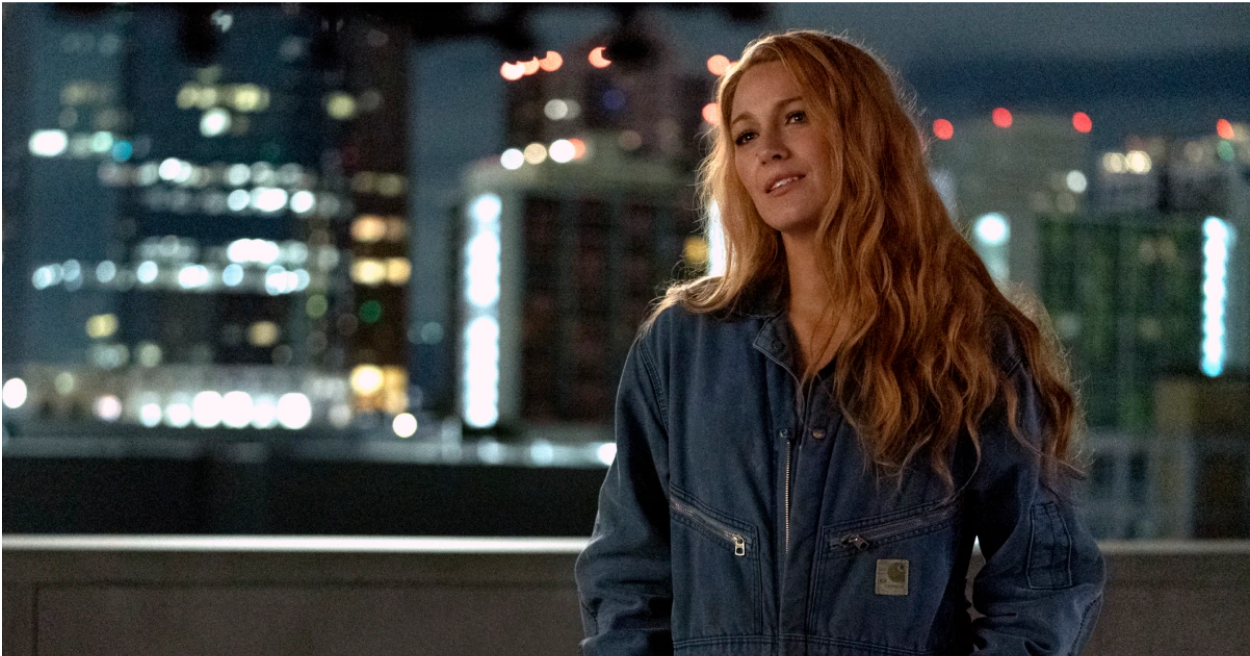
Did Hollywood change the character of Lily (Blake Lively) too much?
Lander Schneider, a sophomore at The University of Tampa, said, “[Lively was] perfectly prepared for this role because she has been in dramatic roles before such as Gossip Girl and A Simple Favor.”
Lively stayed true to the character as it was written in the novel, especially during the scenes that were most heart-wrenching. Many audience members would disagree, stating their main issue with the film revolved around the acting and how it was portrayed on screen.
A sophomore at UT, Corinne Cavanagh, said, “I don’t think the movie character stayed true to the book character, both in age and some personality/fashion choices.”
This raises the question: What makes a movie truly accurate? If all the lines in a film are right and all the names of places are right, but the actor is 37, and the character was written to be 23, is that wrong? Does age in a movie matter if the actor looks young enough to play the part?
Hannah Gruner, a sophomore at UT, said, “I personally don’t think that Blake Lively looks that old. She honestly looks like she is in her twenties.”
While the public had much criticism towards Lively’s role as Lily, many students at UT found her work flawless and just as imagined when reading the book.
Were the signs of abuse too much for the screen?
In the film, there are three instances where Ryle (Justin Baldoni) abuses Lily. The first is when he slaps her after touching the hot pan on the stove. The second is when he pushes her down the stairs, and the third is when he holds her down after reading Atlas’ (Brandon Sklenar) article in the magazine about why he called his restaurant “Root.” While these scenes are an important part of the story, are they too much for the screen?
“People need to see films such as this one to know how traumatizing situations such as domestic violence relationships are,” said Schneider.
Gruner said, “I think the abusive scenes were too artistic to appear too intense for the screen.”
The scene where Ryle is holding Lily down could have been very intense if it had shown him hurting her. Instead, it is presented as the beginning of what could have been an even worse situation, making it less graphic and more focused on the potential for escalation.
“Some scenes were a bit intense for the screen,” said Cavanagh.
Most people watching the film have likely read the book beforehand and already know what will happen. Yet, the intensity of the scenes does not diminish the seriousness of domestic violence.
It is evident that while these scenes are intense, their unsettling nature should not detract from the importance of raising awareness about domestic violence. This issue needs to be recognized and addressed beyond the confines of the cinema.
The film does present themes of domestic violence. If you or a loved one have gone through any form of domestic violence or want to learn more, please call the Domestic Violence hotline: 1-800-799-7233 (SAFE).