
Photo courtesy of cottonbro studio/Pexels
By Caraline Varano
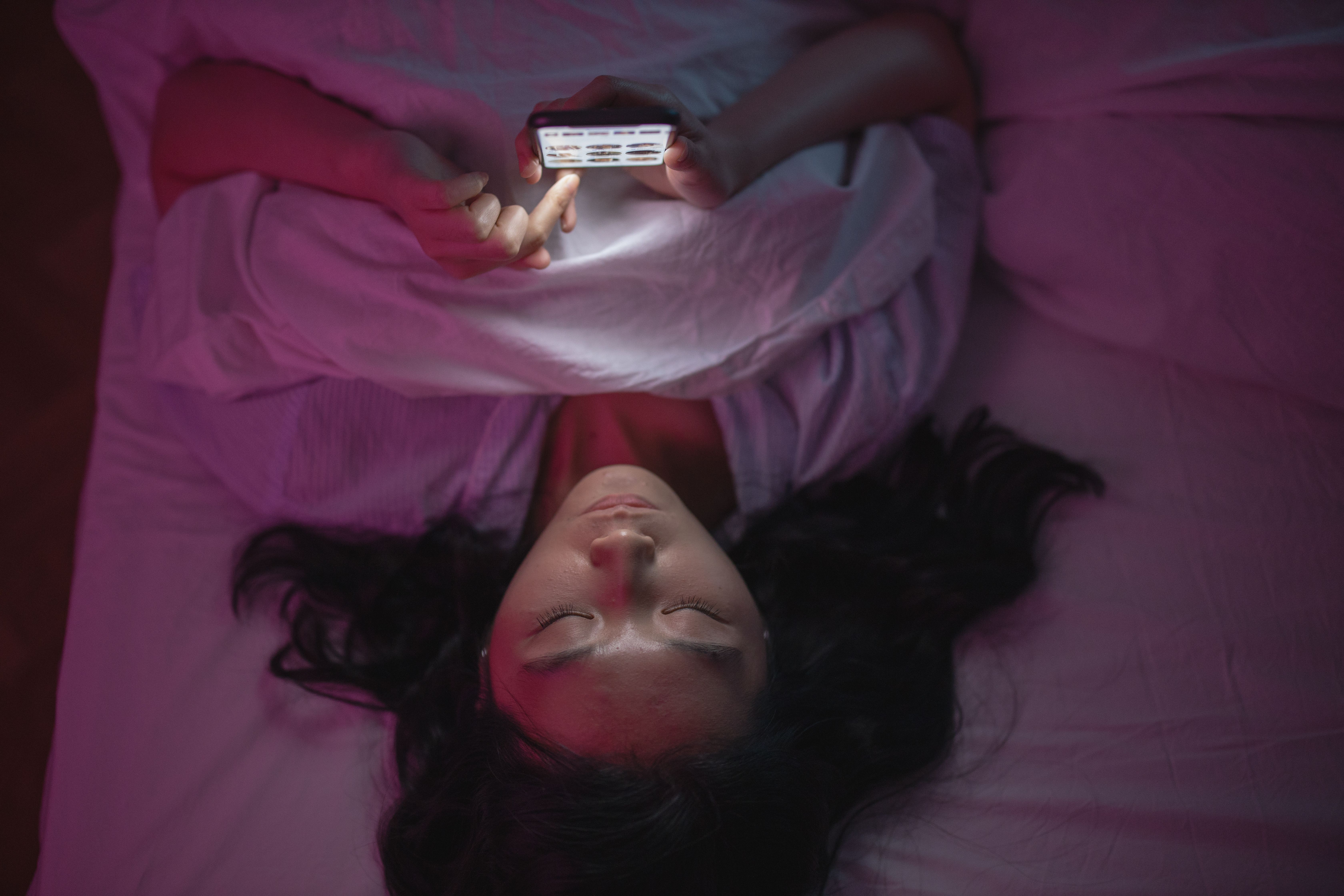
TAMPA, Fla. — There’s little debate over the definition of “doomscrolling,” which is the compulsive habit of spending an excessive amount of time reading, watching, or scrolling through negative, distressing, or alarming news and digital content online.
However, the question of why it’s such an obsessive activity for many teenagers and young adults is very prominent. A digital environment not only impacts someone’s current state, but also can impact their productivity and behaviors in the future, making it an especially relevant conversation.
Doomscrolling affects the way we as humans focus. Our attention spans become shorter as we sit on our phones for hours. Watching short-form content and quickly swiping to the next video builds repetitiveness, which the brain processes as a routine. Now, many youth and young adolescents have trouble watching movies. A study from Aura says that 71% of children struggle watching movies that exceed 90 minutes without being able to go on a secondary device.
Furthermore, whether you can feel it, see it, or hear it, notifications from a digital device affect the brain’s processing. According to Science Direct, “Notifications triggered a transient slowdown in cognitive processing lasting approximately seven seconds, driven by the combined influence of perceptual salience, learned associations, and relevance appraisal.”
Our brains have become addicted to notifications, which can have both a positive and negative effect. On one hand, we crave the notification, but it can also come with disappointment when it’s not what we were hoping for. A person may receive a notification and not interact with it, and the observance of the notification can still cause disruption and lead to the brain wandering and loss of attention.
Both doomscrolling and social media as a whole can become rewarding. When a social media post gets lots of engagement, your brain associates that with positivity. But is it really positive?
A lack of engagement on a creator’s social media post can have a negative impact, even if they’re not consciously realizing it. They become attached to the idea of likes and comments and when it falls lower than usual it can cause more stress.
According to Nature Communications, “In online social media platforms, feedback on one’s behavior often comes in the form of a ‘like’—a signal of approval from another user regarding one’s post…the receipt of likes has behavioral consequences consistent with reward learning.”
When you’re so attached to receiving notifications, it starts to affect mental health and becomes stress inducing. However, studies show that silencing them using “Do Not Disturb” actually increases stress levels due to the fear of missing out, or “FoMo.”
Using data from 138 different phones, researchers discovered that the phones whose notifications were silenced had more screen time logged. The solution for reducing screentime such as “Do Not Disturb” has now become ineffective and creates the opposite effect.
Ultimately, doomscrolling and constantly consuming content feels like a destresser in the moment, but it can become counter-productive, causing prolonged stress and anxiety.
The cycle of the curated algorithm and swiping can be hard to break due to its entertainment value. Many people don’t like to sit alone with their thoughts or be bored – but instead of doomscrolling, should we be sitting in boredom, giving our brain a rest and chance to be creative?