
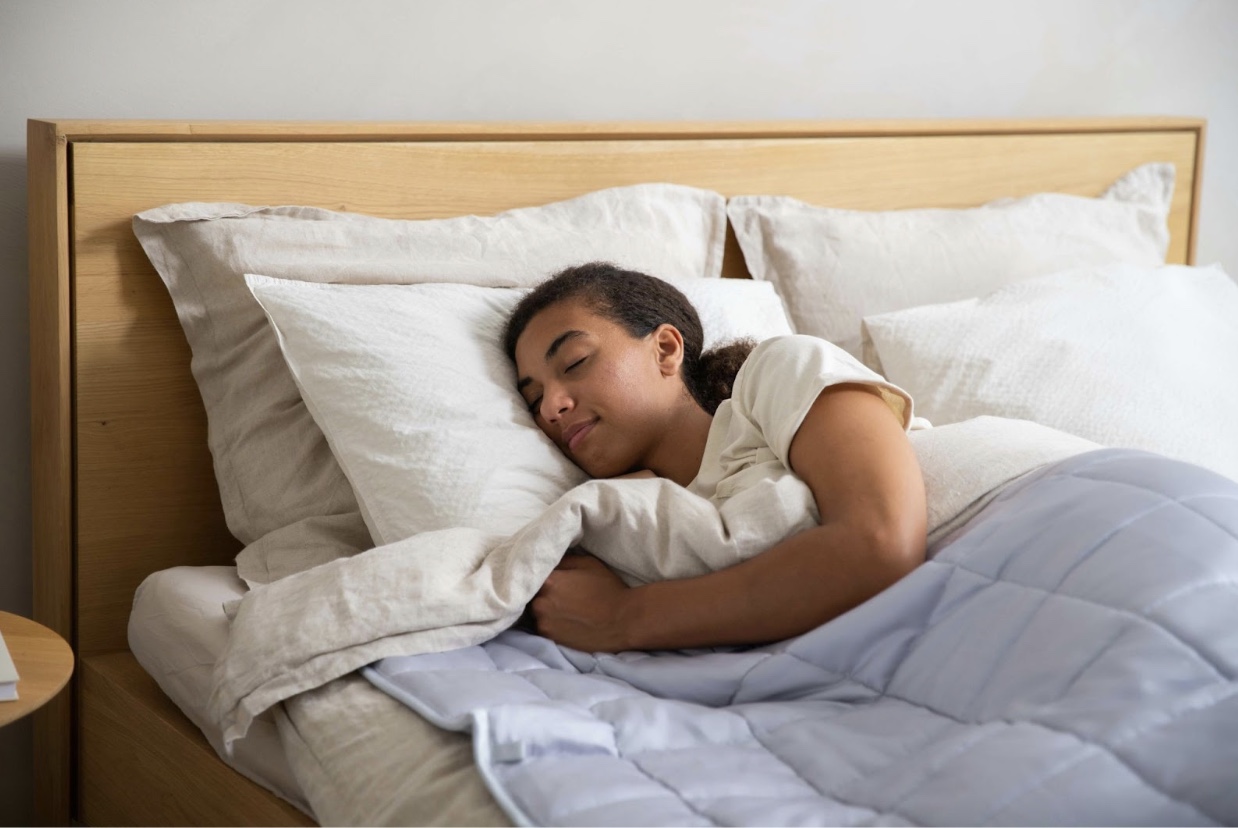
Although technology is typically viewed as detrimental to sleep, is it possible that it can both improve and disrupt sleep patterns? Technology is slowly taking over our world as artificial intelligence is taking over. As technology improves over time goes on, there have been technological advancements that focus on helping one’s sleep patterns.
By Carla Morales
TAMPA, Fla. — Wearable sleep trackers are becoming prominent in today’s society, as many would like to be aware of how many hours they sleep. These devices help identify one’s sleep patterns and what should change within their sleep, and the valuable data behind it. These trackers can be found in different forms, such as watches or rings.
According to the Global Wellness Institute, “Devices like Fitbit, Apple Watch, and Oura Ring offer comprehensive insights into sleep patterns, including REM cycles, duration, and disturbances.”
Sleeping well is one of the biggest components of life that maintains strong mental health. For those who struggle with sleep or require melatonin nightly, a sleep tracking device would be extremely beneficial.
Specifically, the Oura ring is one of the most popular of these devices as it is the most convenient. I am sure everybody can agree that ring tan lines are significantly better to have than an Apple Watch band tan line.
Nevertheless, waking up and checking the Oura app brings a peculiar excitement as if each night holds a secret about your body that is revealed in the morning. This technology is not only informational but also engaging. The Oura app can enable consumers to track and improve their sleep patterns, which can also help foster curiosity within their own bodies.
The ring provides four main features for sleep tracking, including sleep score, sleep stages, blood oxygen sensing, and rest mode.
On the other hand, for decades, technology has been connected to a negative connotation when viewed at night. Although it may seem like it was during the dinosaur era, even our grandparents, at one point, told our parents to stop watching TV and go to sleep.
In 2025, there is such a thing called “doom scrolling,” which is “the habit of endlessly scrolling through social media feeds.” This action of doom scrolling can cause one to unintentionally scroll for hours on end.
Additionally, people tend to set time aside before bed to scroll on social media platforms, watch movies and shows, or do anything that involves their eyes being glued to a device. These 20 dedicated minutes quickly turn into hours.
Although spending late hours doing something other than sleeping is harmful to one’s sleep schedule, it also affects one’s performance the following day.
The health issues that arise from doom-scrolling can cause tremendous effects as well.
According to the Society of Behavioral Medicine, “Exposure to blue light at night can disrupt your circadian rhythm. The circadian rhythm is a natural process that is part of the body’s internal clock.”
This blue light exposure will physically not allow your brain to identify when it is time to stop scrolling on TikTok or not.
According to the Society of Behavioral Medicine, some solutions for doom scrolling can include turning off all bright lights at least an hour before bed, avoiding scrolling 30 minutes before bed, and blocking out distractions by cleaning up excess noise and light.
Ultimately, technology holds the power to help or harm one’s sleep patterns. Sleep tracking devices such as the Oura ring provide valuable insights that help individuals better understand the way they sleep and how they can improve it. In contrast, bad habits such as doom scrolling and the physical effects of exposure to blue light at night exemplify how simple it is to ruin a personal sleep schedule. But in the end, it’s the reader’s decision on what’s best for them.
–
Photo courtesy of Slaapwijsheid.nl via Unsplash License