
By Juan Davalos
TAMPA, Fla. – At 12:01 a.m. on Oct. 1, 2025, large swaths of the federal government came to a halt when Congress failed to pass a year-long appropriations package or a short-term continuing resolution.
What began as another bitter budget fight quickly evolved into an unusually aggressive and increasingly punitive shutdown. According to the Federal News Network, the move goes beyond the old playbook of temporary furloughs and back pay promises, turning to the strategy of targeted funding freezes and mass workforce cuts.
Reuters reported that rather than treating the lapse in appropriations as a temporary emergency to be resolved through negotiation, the White House has used the shutdown as an instrument to reshape federal priorities, publicly threatening to eliminate programs, and, most strikingly, initiating large-scale reductions in the federal workforce.
The Congressional Research Service and state legislative offices have catalogued the long list of services that can be curtailed during a lapse in funding. According to Time magazine correspondents, areas disrupted include national parks, museums, small-business loan programs, and timely economic support, with ripple effects in communities around the country, resulting in job losses, research disruptions, tourism revenue losses, and reduced services for citizens.
In the past week, the Office of Management and Budget disclosed that it was moving forward with what it calls “reductions-in-force” or (RIFs), with mass firings of federal employees announced publicly in a terse social-media post by OMB Director Russell Vought
“The RIFs have begun,” said Vought in an X post. The statement and agency confirmations that followed made clear the White House is prepared to use the shutdown to enact permanent cuts to the workforce, not merely temporary furloughs.
Reuters, among others, reported that billions have been frozen in federal funding for large projects that disproportionately affect Democratic-run states and cities. Critics say it amounts to overtly partisan use of emergency fiscal authority.
The White House’s public messaging blames Democratic leaders for failing to pass a “clean” spending bill.
“Democrats are threatening to shut down the entire government because they want to give hundreds of billions of dollars of health care benefits to illegal aliens,” said Vice President JD Vance.
President Trump has also repeatedly claimed Democrats want to “give full health care benefits” to immigrants without legal status during the shutdown negotiations, despite multiple reports refuting the claim multiple times.
As House Minority Leader Hakeem Jeffries explains, undocumented immigrants are, in fact, ineligible for Medicaid, ACA subsidies, and most federal health care programs, as federal law prohibits it.
Even Senate Majority Leader Chuck Schumer said to the Guardian earlier this week that “Not a single federal dollar goes to providing health insurance for undocumented immigrants. NOT. ONE. PENNY,”
FactCheck similarly reviewed a White House claim that 1.4 million undocumented immigrants would be “removed from Medicaid,” but undocumented immigrants do not receive comprehensive Medicaid in the first place.
Moreover, reimbursements for emergency care of undocumented individuals constitute less than 1% of total Medicaid expenditures.
Representative Jeffries’ office also stated in a press release that the situation is “chaos, crisis, and confusion” brought on by the President and his allies, an example of how partisan rhetoric intensifies as the costs rise.
According to analysts at CBS News, there are two distinct harms: short-term human costs and longer-term institutional damage.
In the short term, hundreds of thousands of federal employees face lost wages or the prospect of permanent job loss; active duty and mission-critical personnel worry about pay disruptions; and citizens who depend on federal services face delays and uncertainty.
Reportedly, military personnel could also miss paychecks if the shutdown persists into mid-October, a prospect that would quickly become a national security liability and recruiting issue
Institutionally, using a funding lapse to arbitrarily freeze projects or axe staff bypasses congressional authority and the normal checks of democratic governance. This erosion has long-term costs, as contractors may balk at partnering with agencies whose funding can be frozen midproject, researchers may lose years of continuity, and states may hesitate to plan around uncertain federal support.
The Executive Branch has substantial discretion in implementing laws, but appropriations and rescissions are squarely the province of Congress. When the White House unilaterally freezes funding, announcing, for instance, cuts to urban security grants or to green-energy projects in Democratic states, it risks accelerating lawsuits, sowing administrative confusion, and undermining trust in the impartial administration of federal programs.
Proponents of the republican administration argue it is a form of accountability in an attempt to force spending discipline and to eliminate programs they view as wasteful. But policy changes built through shutdown-era maneuvers are functionally unstable.
To put it simply, it’s the perspective of the Democrats that this is governance by emergency edict rather than by deliberative process.
If there is a pragmatic path out of this impasse, it lies in restoring the arithmetic and incentives of negotiation. Historically, Short-term continuing resolutions can be and have been used to buy time for policy negotiations; the alternative is protracted shutdowns that exact high social and economic costs.
Essentially, this shutdown will only end when political actors from both sides decide whether the costs outweigh the benefits. As a country that depends on a predictable federal government to protect safety, health, and infrastructure, this is not merely a partisan tactic; it is a gamble with consequences that will be felt far beyond statutory constraints and legislative proposals.
–
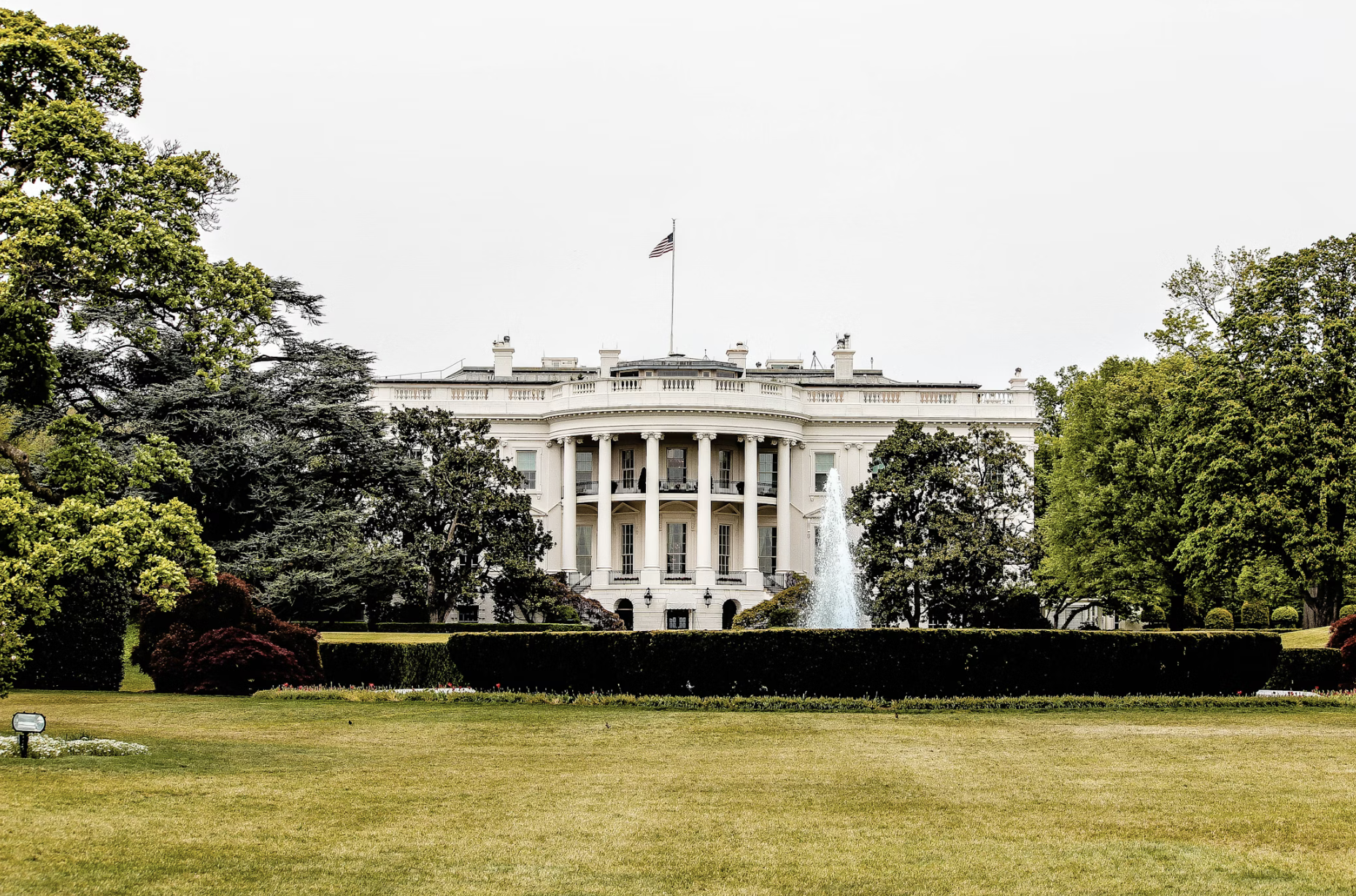
Photo courtesy of René DeAnda via Unsplash.