
By Kyra Sansone
Social media platforms have become an integral part of our lives in this digital age. While these platforms allow friends and family to connect from a distance, they can also have detrimental effects on the mental health of many people, especially college students.
While these platforms allow friends and family to connect from a distance, the content college students see on social media often creates unrealistic expectations of what their lives should look like, frequently leading to doubts about their happiness and questioning if they are truly having the “college experience.”
Her Campus featured an article in 2022 titled “How Social Media Ruined My Perception of College,” by student writer Elizabeth Williams. She discussed how she fell into the trap of comparing her college life to that of others on social media.
“I constantly find myself thinking, ‘Why doesn’t my college experience look like this?’ or ‘Wow they look much happier than me,’” Williams wrote. “It’s a constant comparison of myself to others when our lives are all so different from each other.”
Williams, although vocal about the subject, is not the only one who feels this way. Multiple studies have concluded that comparing yourself to others on social media can damage your self-perception. A review published by PubMed highlighted that consistent exposure to idealized portrayals on social media leads to a distorted self-concept.
Students at The University of Tampa have also found this to be true.
“College is often referred to as the best four years of your life,” said public relations and advertising major Gabby Vaccaro. “They don’t talk about how it can also be the most difficult four years of your life.”
“The idealized versions online are far from realistic and only show the happiest and most glamorous parts of college,” she added.
There are significant mental health implications from this. When scrolling on social media and seeing others at parties or with close-knit friend groups, it can make someone feel like they are missing out, even if that is not the case at all. This leads to feelings of isolation and the fear of missing out, or FOMO. People who feel this way often believe they cannot talk about it because they think nobody else shares their feelings. This is just one of the many mental health issues that come with comparison on social media.
This phenomenon is similar to the social comparison theory developed by Leon Festinger. His theory explains how individuals evaluate themselves and determine their worth by comparing themselves to others. When college students see posts about this “incredible college experience” that others at the same school or another school are having, it can lead to feelings of inadequacy.
“No one shows them studying for their biology test till 2 a.m.,” Williams wrote. “They don’t show their homesickness, their loneliness, or their feelings of academic doubt.”
We need to remember that social media is a highlight reel. Nobody wants to post a video of them crying; what’s posted are the best parts of each person’s life.
Sophia Pachis, a freshman at UTampa, shared more on this and said there is a tremendous amount of pressure on college students to have the perfect four years of college.
“Some people forget that college is a time to learn, grow, and work towards your degree,” said Pachis. “While it is fun and gives us amazing opportunities, I feel like there is so much pressure on me to have the perfect experience.”
If you’re feeling like your college experience isn’t measuring up to what you see on social media, comparison is the thief of joy. You’re doing great, and we all have our highs and lows. College is about learning and growing, and we each do that in different ways.
–-
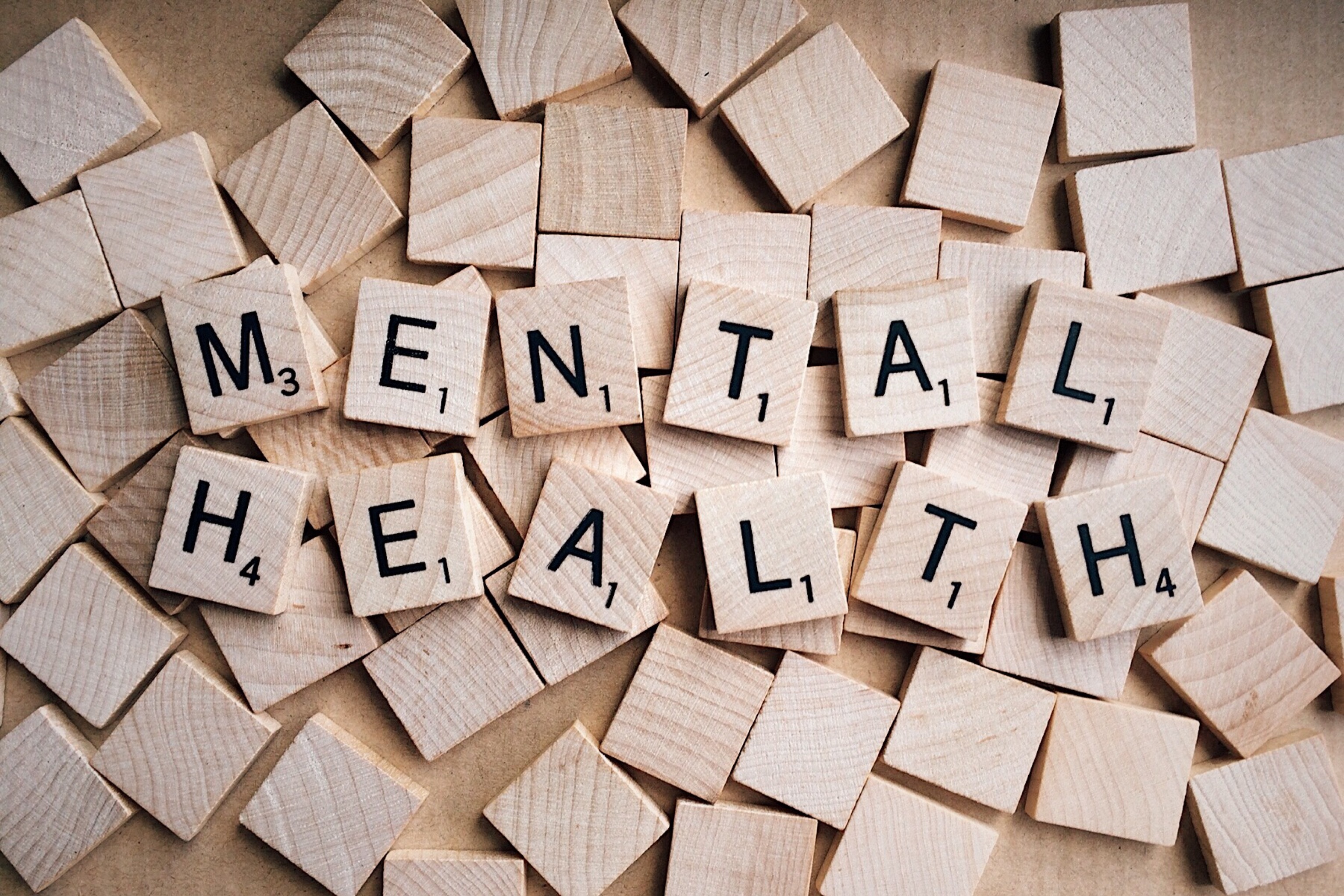
Photo courtesy of Wokandapix at Pixabay, CC0, via Wikimedia Commons
