
By Ana Ortiz
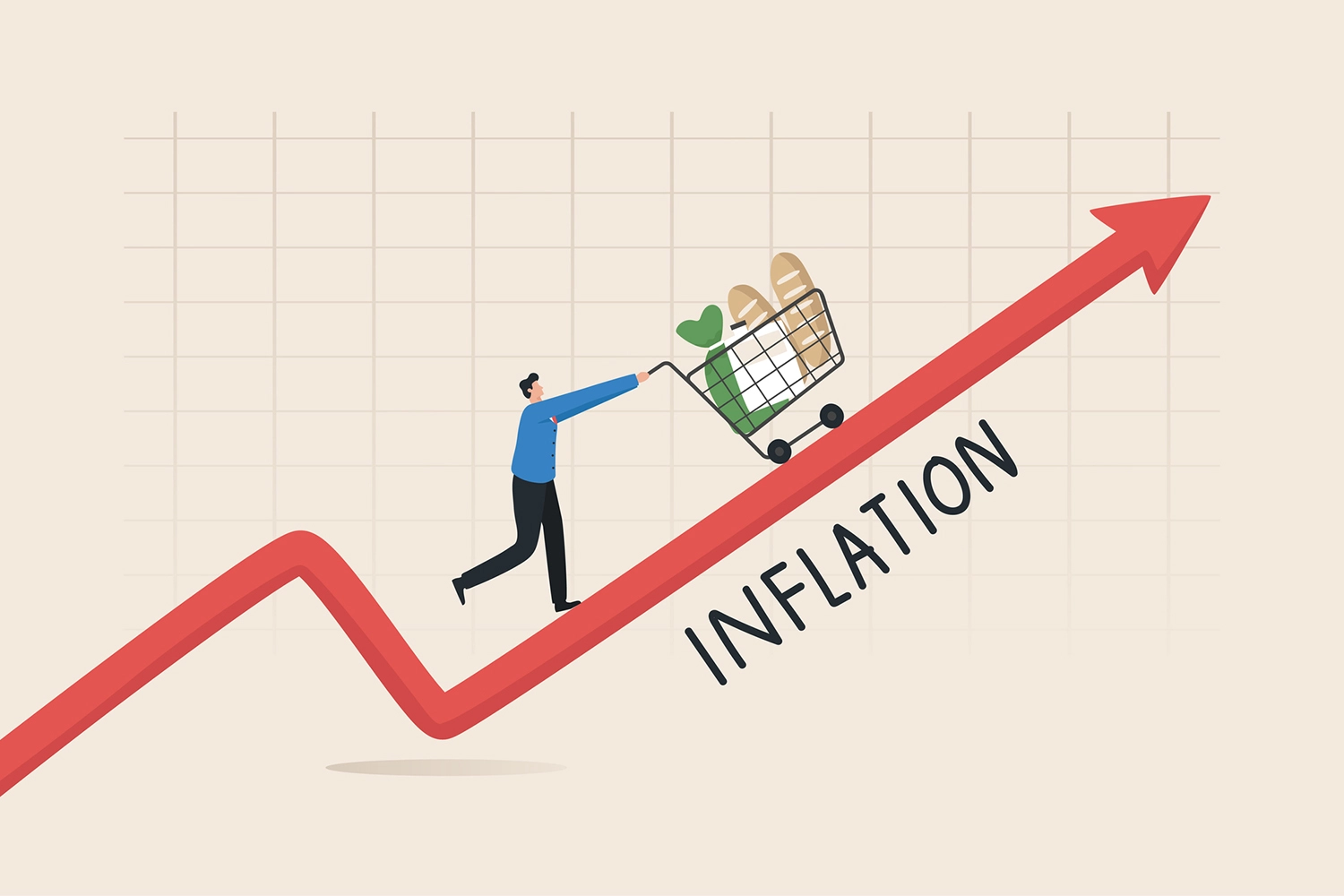
Inflation, a general rise in the prices of goods and services, is an economic phenomenon with wide-reaching consequences. Its effects are felt by individuals across various sectors, including academia.
Professors, recognized for their knowledge and expertise, are not immune to the financial strains brought about by inflation. In Tampa, a rapidly growing coastal city, professors face inflation challenges daily. Over the last five years, Tampa has seen a 30% increase in the price of goods and services due to inflation. Have professors’ salaries kept up with inflation? Over the last five years, Tampa has seen a 30% increase in the price of goods and services due to inflation. Have professors’ salaries kept up with inflation?
To put the effects of inflation into perspective, imagine you rent an apartment for $1200 per month. After a year, due to inflation, the cost of goods and services rises. Your landlord, facing higher expenses like property taxes and maintenance, increases the rent to $1500. This increase reflects how inflation makes everything cost more over time, including your rent.
Housing expenses, a significant portion of any household budget, have increased, leaving many professors dealing with rising rents or substantially higher mortgage payments if they consider purchasing a house. Once within reach for some, the dream of home ownership now feels increasingly distant as property prices rise. The strain is more acute for those already burdened with student loans from their academic pursuits as they must balance loan repayments against stagnant wages.
Given the dramatic inequality in the U.S., it is easy to find people trapped in the cycle of paycheck-to-paycheck living. However, many individuals working professional jobs are stuck in the same cycle as inflation erodes their purchasing power, and they need to catch up with rising prices. It is a reality for millions worldwide, where every penny earned is meticulously allocated to cover necessities like rent, groceries, and bills. But in this relentless grind, one question arises: Do we live to survive, or do we survive to live?
Daily essentials, from groceries to utilities, have become progressively more expensive. Grocery shopping demands strategic planning as inflated prices force consumers to rethink their shopping habits and opt for cheaper alternatives. Utility bills, including electricity and water, now consume a larger portion of income, leaving less room for optional spending.
Living paycheck-to-paycheck often means sacrificing experiences and opportunities that enrich life. Travel, hobbies, and pursuing dreams are often relegated to the impossible when every dollar is spoken for. It is a reminder of the division between surviving and thriving, between existing and truly living.
Transportation costs add a layer of financial pressure. With gasoline prices fluctuating, commuting to campus becomes even more expensive. Transportation fares are increasing, further squeezing the budgets of professors who rely on it to get to work. There are few alternatives to transportation costs as Tampa is not a walkable city for most people. The impact of inflation extends beyond the personal finances of professors. Inflation can strain university budgets, potentially leading to cuts in funding for research projects, construction, or faculty positions. This can create a challenging environment where professors need more resources, further complicating the pressures they face in advancing their careers.
Inflation is a complex economic phenomenon that affects individuals and institutions alike. Professors in Tampa are not exempt from its consequences. As they navigate the shifting financial landscape, they demonstrate resilience, adaptability, and a commitment to their vocation despite their challenges.