
Dance should be a sanctioned sport recognized by the NCAA, and this year’s UDA proves why.
By Noel D’Amico
When I stepped into the Advent Health Arena to watch the Universal Dance Association (UDA) finals, the atmosphere was like nothing I had ever experienced. I grew up dancing competitively and continued at the collegiate level on UT’s dance team. I’ve attended many dance competitions and performances, but none came close to this atmosphere.
Ohio State vs. Minnesota has become the dance world’s Super Bowl. We even have our own ‘Kelce Bowl’ in Ellie and Ava Wagner. The sisters dance for Ohio and Minnesota dance teams, respectively. Their parents sported custom t-shirts representing both teams (which should be sold because I would love to own one).
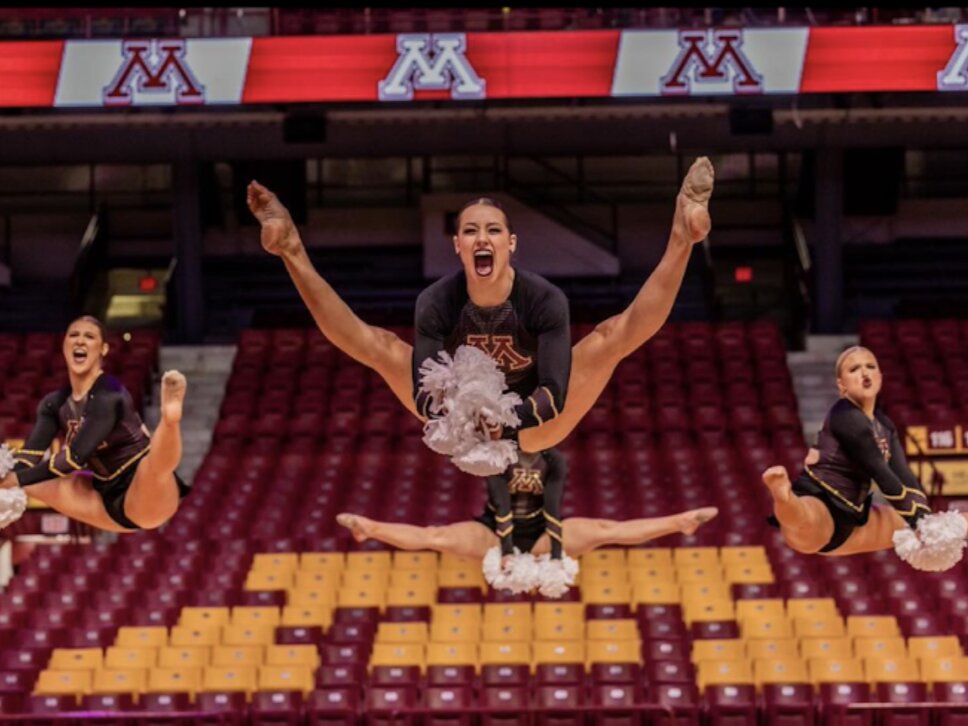
This year, Ohio State took home first place in D1A Jazz, while Minnesota won in Pom. These teams will go back and forth on winning for years to come, but the biggest win from that weekend was for the sport of dance. Particularly the response to Minnesota’s jazz routine, ‘Dream On.’
When Minnesota walked onto the stage, I knew I was about to be watching history. I had seen the viral clips of their routine circulating on TikTok from the previous two days of competition. Especially the iconic turns into an aerial, into more turns.
I knew what I was about to watch but wasn’t prepared to see it live. The energy in the room was insane. The music was background noise compared to the screams from everyone watching. The attention the routine has gotten is well-deserved and left an impact that I believe will forever be a milestone for the future of dance.
“It’s been really crazy and cool to see how much exposure this past UDA nationals is getting in the media!” Grace Kisch, a senior on the Minnesota dance team, said. “It’s quite special to see how our dance has reached and impacted others, but also this attention is really important because it’s helped gain recognition for all dance teams and the sport as a whole.”
While some school’s dance teams are a part of athletics, the NCAA doesn’t recognize dance as a sport nationwide. That means dancers don’t get the same funding and resources as other athletes.
The future of collegiate dance calls for becoming an NCAA-sanctioned sport. Not only will it benefit the athletes, but it has the potential to bring money into schools. The media coverage that shot up after one performance: news outlets, millions of views on TikTok, recognition from Aerosmith, was incredible. All from one performance. Imagine the possibilities and coverage if teams could compete more than once a year.
UDA and collegiate dance have been around for decades, but something about this year’s competition left a lasting impact on so many people far beyond the dance world.
When asked about what the media attention has been like, Kisch spoke for dancers everywhere: “Every dance team puts in an intense amount of work for that one weekend and shares their heart and soul in every performance. That alone is something that is so special about dance and one of the things I love most about this sport, so to have people recognize that means a lot, especially since that hasn’t always been the case for us dancers,” Kisch said.