
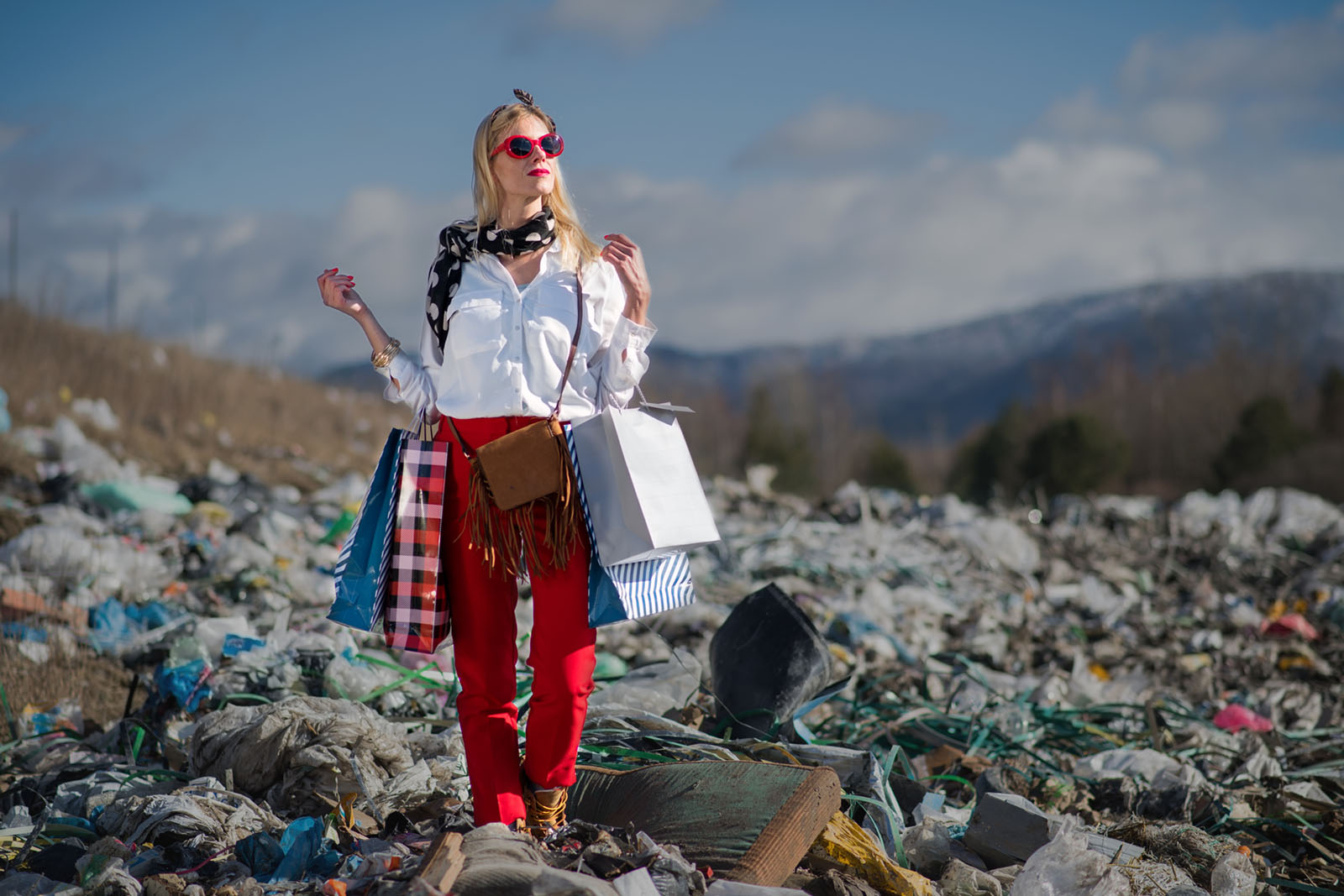
Learn about the process from design to disposal and how the ongoing popularity of
rapid and affordable fashion is an environmentally negative phenomenon that
shouldn’t be ignored.
By Daniela Garcia
When frequently shopping becomes a hobby, it is most likely that a person has bought an item of
clothing from a fast fashion brand at least once in their life. Fast fashion is all around, and due to
the globalization of the internet, purchasing clothes in seconds is a daily task for many.
Even though this environmental issue is often discussed publicly, people continue to contribute
to the problem by relying on fast fashion and buying clothes at cheaper prices. These clothes are
produced with cheap labor, made to be short-lived and they open paths for a plethora of negative
environmental impacts to take place.
According to the 2020 review “The Environmental Price of Fast Fashion” by several
environmental studies professors in Northern Europe (Patsy Perry, Greg Peters, Helena Dahlbo,
and Kirsi Niinimäki), “the fashion industry is the second largest industrial polluter after aviation,
accounting up to 10% of global pollution”.
The textile industry produces a large amount of waste and chemical pollutants. The industry is
also notorious for its CO2 emissions and excessive usage of water. These, all incredibly negative
environmental factors, lay behind the phenomenon of “fast fashion”.
Fast fashion refers to anything that allows buyers to consume and impulse buy items online or in
person at an incredibly rapid pace. These low prices, make people buy more and wear items less
frequently, making people own more and more with time.
This inventory turnover allows brands to rotate their clothes to meet what the consumers want, allowing them to make trendy pieces cost less. Fashion brands also manage global supply chains, which means that they produce clothes in one place, manufacture them in another location, and sell them worldwide.
These clothes usually align with the latest trends in the fashion world as quickly as possible.
Some brands even introduce new items weekly or daily. The inspiration for most pieces comes from the latest fashion shows, runways, magazines, and especially social media, which allows trends to go viral and then mass-produced.
Brands usually relay heavily on marketing and advertisement to create urgency to buy and generate a feeling of desire in the consumer. Collaborations with popular celebrities and social media influencers with paid partnerships.
However, people who are fashion fanatics, find a way to keep up with their hobby, often
recurring to these stores which offer all sorts of clothes for every type of trend possible and with
choices that could adjust to anyone’s pocket.Florencia Torres is an International Business and Marketing Senior at The University of Tampa who often utilizes stores such as Shein and Forever 21 to buy fashionable clothes. From business professional attire required for her classes to her daily wear, Florencia shops when she can.
“Honestly I feel that there are lots of expensive items that can be found for cheaper on these sites and stores. Even though it’s not the same, dupes (lookalikes), do the job. The money is the biggest factor due to how cheap everything is and how attainable.”
Florencia shares that when learning about how these stores have such rapid customer satisfaction due to how they are marketed, it is no secret that they are environmentally harsh for the world. The manufacturing of these clothes tends to come from cheap materials, making them low-quality items that easily break, are thrown away, and are replaced almost instantly.
The surplus of textile waste often ends up in landfills, and piles to quantities that can even be seen from space. For example, in the Chilean desert Atacama, mountains of discarded clothes can be seen by satellite.
An article by the New York Post, Chile’s desert dumpsite for 60K tons of fast fashion seen from space, by Erin Keller was published in June 2023. According to the piece, It can take up to 20 years for most items to biodegrade naturally since most are made from synthetic fabrics which are previously treated with chemicals.
These textiles pollute nearby soil and water sources with the chemicals wherever the litter piles up, which harms the environment where it stands due to the treated fabrics and their inability to degrade in an ecofriendly manner. Another place where litter can be seen from space such as Nairobi, Kenya.
Textile dyeing and finishing systems are also water-intensive and often require large amounts of water supplies to be completed, afterwards most of the hazardous chemicals are dropped into aquatic ecosystems which communities rely on. Microplastics that also pollute waterways and oceans after shedding when washed pose a clear threat to aquatic and marine ecosystems.
Fast fashion poses a human-oriented issue with labor practices. Due to them wanting to keep prices low, these brands tend to rely on exploitative labor in low-wage countries where people are taken advantage of. Workers are subject to poor labor conditions, low pay, and lack of job security.
Back in 2022, the popular fast fashion brand Shein went viral on TikTok due to workers
allegedly begging for help with clothing tags and bags. The fashion clothing line which is based
in China has been a topic of discussion amongst fashion lovers and consumers alike due to its
cheap clothing made at a fast pace.
After a video went viral in which consumers were finding “help me” or “need your help” on the tags of some products seamlessly into the washing instructions and other discrete locations.
These clues, impacted many, allowing them to think of the words as alleged secret messagesencoded by its workers, due to being in poor working conditions where the clothing is
Manufactured.
According to the June 2022 Rolling Stone article addressing the mysterious messages in the Shein tags, no evidence was proven to be real. However, the fact that many brand users were
getting the same types of messages, could be more than an eerie coincidence.
Even though the negative environmental issues of fast fashion remain a challenge, environmental justice can be served with conscious textile development, sustainability, responsible trade policy, and proper consumer habits.
Even though this ongoing issue is sure to keep going, there are many ways that the textile
industry can develop enough to create more eco-friendly cycles. Sustainable fibers made of
recycled materials and biodegradable fibers will be key in minimizing the environmental impact
of pollution.
The global environmental injustice of fast fashion by Rachel Bick, Erika Halsey, and Christine C. Ekenga, all professors from Washington University in St. Louis, explains that corporate sustainability and trade policy are extremely important.
Companies also adhere to “greenwashing”, which takes place when brands capitalize on
emotionally appealing to their gods as eco-friendly and “green” without actually meeting any
Criteria.
“To combat these practices industry-wide adoption of internationally recognized certification criteria should be adopted to encourage eco-friendly practices that promote health and safety across the supply chain.”
Trade policy is crucial since markets for fair trade of eco-friendly clothing manufacturing are small and expensive to maintain. The solution proposed for this states that “High-income
countries can promote occupational safety and environmental health through trade policy and
regulations…The United States, for example, could increase import taxes for garments and
textiles or place a cap on annual weight on imported garments”.
Miranda Palter, a circular fashion expert who works in fashion marketing and got her MBA from Yale University, shared her insights on the topic, explaining that educating younger generations is crucial for this issue to get recognition.
“I’m starting to see creative campaigns from brands who want to appeal to younger generations and explain the process of sustainability, one I love is Coachtopia by Coach. Also, I have noticed more sustainability programs, classes, and seminars popping up in universities and that wasn’t a thing when I was in college from 2010 to 2014.”
Providing throughout education on the topic could allow younger audiences to have resources available and create a sense of community consciousness. Larger groups of people understanding the environmental impact of their favorite fashion brands creates food for thought amongst communities.
She also shared that sustainability policies are starting to be seen mostly in Europe, rather than in the U.S. The creation of a Digital Product Passport, a new regulation set in the EU (European Union) this past August.
“With a digital product passport, it is a requirement for brands to give information for
sustainability usage and life cycle, as well post consumption and decomposition, a digital
passport makes brands accountable for,” said Palter.
Since the fast fashion industry has been ongoingly booming since the early 2000s, the increased demand for large amounts of cheap clothing has resulted in environmental degradation over time.
Due to this issue, environmental scientists, professors, and advocates should educate and impact communities to promote ethical consumption.
When brands compromise to make their products accessibly sustainable and are transparent about their practices, people who buy frequently will become more educated o