
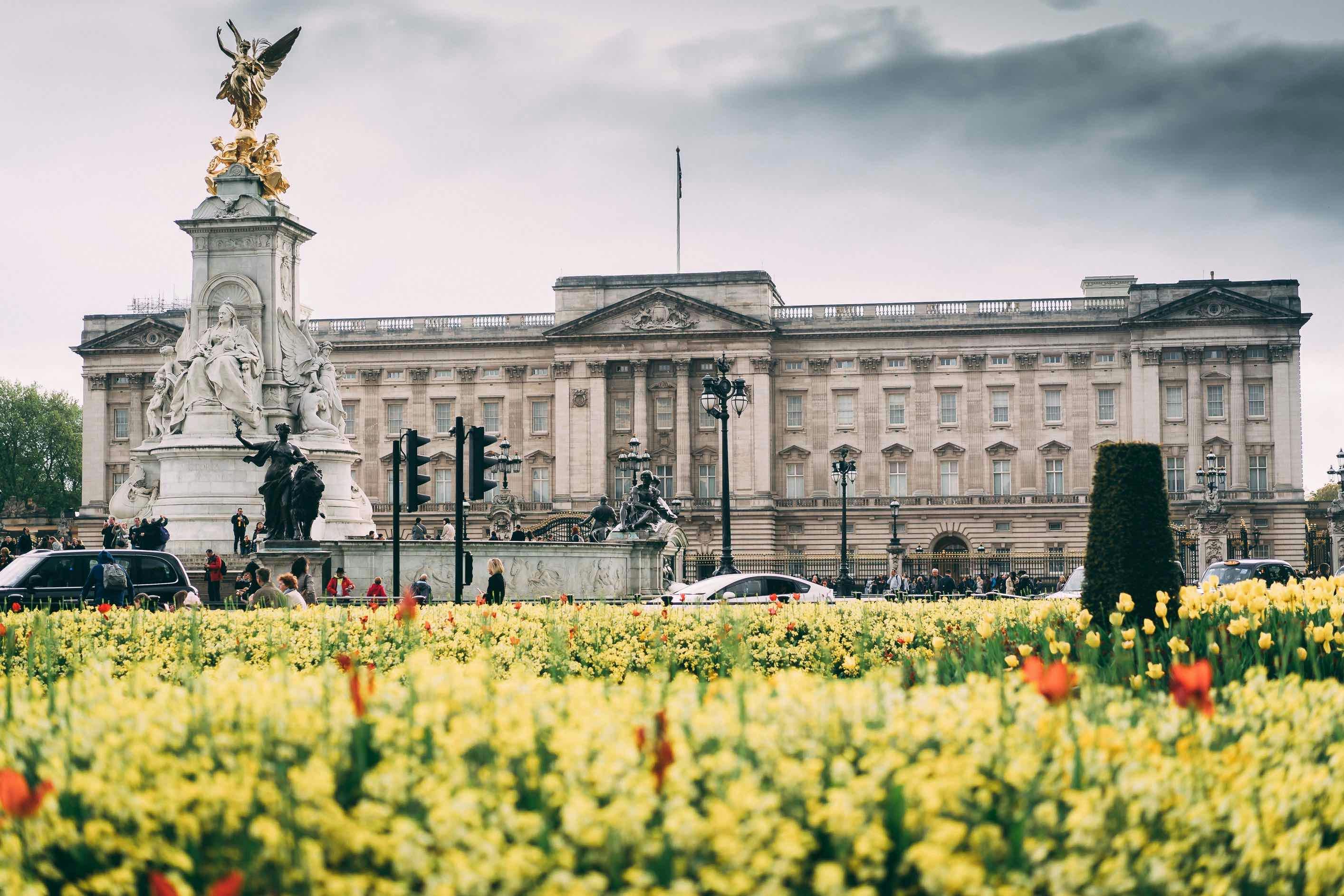
Photo courtesy of Ferdinand Stöhr via Unisplash License.
Britain’s former trade envoy could face charges that are difficult to prosecute.
–
By Olivia Gehm
NORFOLK, England — On Feb. 19, Former Prince Andrew was arrested by British police on suspicion of misconduct in public office after documentation confirmed his ties to convicted sex offender Jeffrey Epstein. According to the Associated Press, he was released 11 hours later, but is under investigation.
The release of Epstein’s email files by the U.S. Department of Justice in late January prompted British authorities to investigate Mountbatten-Windsor. He was revealed to have been in contact with Epstein in 2011, at which time he served as Britain’s trade envoy, despite the former prince’s statement that he had cut ties with Epstein a year prior.
According to the Australian Broadcasting Corporation, Mountbatten-Windsor was first publicly accused of having links to Epstein’s child sex trafficking ring in 2015 by Virginia Giuffre, who alleged that she was trafficked to the former royal and forced to have sexual relations with him numerous times.
Mountbatten-Windsor has received backlash and punishment from the Royal Family for his ties to Epstein since 2001, when the New York Post published a front-page photo of the former prince walking side-by-side with Epstein.
There may be numerous roadblocks for the prosecution. According to Dr. Timothy Kaye, Professor of Law at Stetson Law School, there are differences between the U.S. and U.K. legal systems that make this case tricky.
Kaye said that the major difference lies in how workers are designated in the U.K. In the U.S., someone is either an employee or a private contractor, whereas the U.K. has a third designation titled “office holder.” This designation would allow Andrew to be convicted of misconduct in public office.
However, Kaye said that there is debate as to whether the former prince was actually an office holder, since he was not paid for the work he did as a trade envoy. Challenging this designation could affect the legitimacy of potential charges against Mountbatten-Windsor.
“That’s a factual problem,” Kaye said. “You can’t be guilty of misconduct in public office if you weren’t actually in a public office.”
Furthermore, Kaye said that the origins of the offense make it difficult to prosecute, since misconduct in public office exists only in common law, not as a statute. While he said many criminal offenses in the U.K. have been standardized into legislation, misconduct in public office has not.
“They’re all written in statute, but this one never has been,” Kaye said. “And the problem with that is, since it’s not a very commonly prosecuted offense, no one is entirely sure what is required in order for a successful prosecution.”
If Andrew’s designation as a public officer stands and the evidence is compelling, Kaye said that politics are unlikely to interfere with the former prince’s prosecution.
“The prosecutors are there to do a job, and they carry on doing it. It’s not seen as a political issue,” Kaye said. “So the political imperatives just don’t make any difference.”
The investigation into Andrew is ongoing, and currently at least nine different U.K. police forces are known to be looking into the validity of reports linking Mountbatten-Windsor to Jeffrey Epstein.