
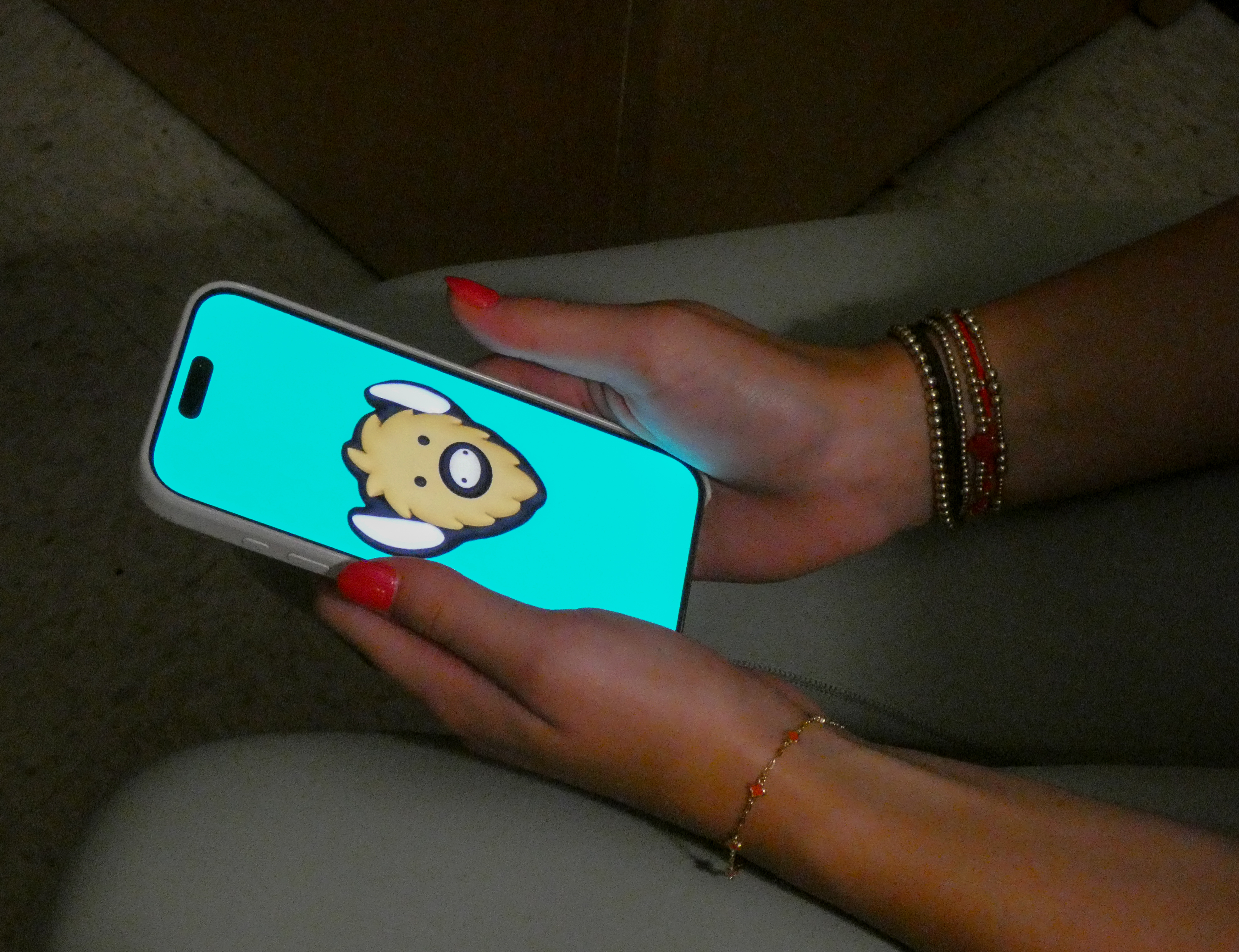
The popularity of the Yik Yak app has been increasing among students at the University of Tampa (UTampa) campus and is affecting students’ mental health and well-being.
By Isabel Alexander
TAMPA, Fla. — Social media app Yik Yak allows UTampa students to share their thoughts, news, opinions, and humor with anonymity. While some students and staff are satisfied with the app, it is important to note that it has been found to foster division, cyberbullying, and rumors to be spread due to a lack of accountability. This directly affects students’ mental health and well-being.
Released in Nov. 2013, the app took off about seven months after its initial release date.
Yik Yak allowed people within a five-mile radius to anonymously communicate in the form of 200-character threads called “yaks.” Yaks can be upvoted and downvoted — the most popular yaks move to the top of the feed.
Just four years after the initial release, the app was shut down due to widespread reports of cyberbullying, false claims, and hate speech.
In 2015, a Western Washington University student, Tysen Campbell, was suspended as a suspect for threatening to lynch their Black student body president through the app.
Hunter Park, a student at the University of Missouri, was arrested for being suspected of having shared a “yak,” threatening to shoot all Black students on campus.
These posts have become more common, and the ability to successfully trace students to their “yaks” is uncommon. Campbell and Park were only held accountable because others personally witnessed and reported them making the posts. The anonymity of Yik Yak has made accountability nearly impossible by allowing students to share negative things, knowing the likelihood of consequences is very low.
Recently, at UTampa, a “yak” was shared, exposing two students through a window, engaging in a sexual act in a dorm room. The “yak” was removed approximately three hours after it was posted, leaving enough time for the video to be circulated through the campus.
“If that was me, I would feel pretty violated and embarrassed, and the fact that it could happen to anyone is crazy,” said Reagan Weaver, a freshman at UTampa. “Like everyone makes jokes about it and laughs until it’s about themselves. Which begs the question of why [Yik Yak] even exists.”
Weaver worries that the rise of the app on UTampa’s campus is causing students to lose empathy and be exposed to violating and offensive content.
Assistant Vice President of the Office of Student Affairs, Gina Firth, supervises all areas of student well-being on the UTampa campus. Firth said to a Minaret reporter that the UTampa staff is committed to fostering a safe, inclusive, and supportive environment and that apps like Yik Yak challenge those commitments.
“Meaningful dialogue and healthy debate require accountability. When we know who is speaking, even when opinions differ, there is room for constructive conversation and personal responsibility,” she said.
“When students are exposed to anonymous negativity or personal attacks on Yik Yak, it can heighten stress, anxiety, and feelings of isolation, which directly affects their wellness and sense of safety and belonging,” she added.
Other students on campus love the app. They use it to stay up to date about what’s happening on campus, read humorous posts, and communicate with others.
UTampa freshman Eva Toskovic enjoys using the app. She recalls her experience as “funny and also a way for students to communicate or learn about things on campus.”
“There is a sense of community on the app, but there will always be people who will abuse an anonymous platform for spreading hate,” she added.
Toskovic thinks that Yik Yak is a great addition to the UTampa campus.
The Yik Yak team wrote on their website that people “need risk-free, lens-free spaces to be vulnerable, to be curious, and to learn more about the people around us.”
According to their website, the anonymity of the app allows people to be equal. Each voice has the same value. This can be appealing to those who may feel unheard, forgotten, or unimportant.
“The most popular celebrity on earth appears exactly the same as an average person,” said the Yik Yak team.
“Students who use Yik Yak and other social media platforms to use their voices with empathy and integrity, and to remember that true community is built on respect, accountability, and care for one another,” Firth said.
–
Photo courtesy of Isabel Alexander.