
By Hayden Randolph
TAMPA, Fla. –– A great hammerhead shark was found dead off the coast of Southeast Florida with only a hook in its mouth to explain. An endangered species, the 11-foot, 4-inch predator seemed to die from a system of catch-and-release or sport fishing.
However, Dr. Cameron Ainsworth, who teaches at the University of South Florida, College of Marine Science, does not believe that this animal was targeted.
“I find it hard to believe that anyone is targeting Hammerhead sharks intentionally,” he said. “I imagine what happened, is that it was caught incidentally.”
Dr. Lori McRae, who teaches in the biology department at the University of Tampa, agrees with this notion.
“Most likely, the folks that hooked the great hammerhead originally were not trying to hook a Great Hammerhead,” she said.
However, she brings up a different issue with recreational fishing and this vulnerable species.
“Hammerheads are notoriously poor survivors after being hooked,” she added. “Whether it’s on a long line commercial scenario or it’s by a hook and line recreational angler.”
Although this is just one example of a shark affected by recreational fishing, the threat to shark species globally is widespread.
While a report titled Catch Evaluation of Shark Fishery of South-eastern Australia mentions that hook size and shape could affect catch, the practice of trawling presents a larger issue through by-catch.
Dr. Daniel Huber, chair of the environmental studies department at the University of Tampa, explains what by-catch is.
“By-catch is the process through which a fishery targets a particular species because it has some economic value, but then incidentally catches other nontarget species,” he said.

A study from the ICES Journal of Marine Science details the reasons why this practice threatens sharks.
The report says that several shark species are seen as valuable for their fins. Consequently, when sharks are caught in industrial fishing lines, they are ultimately used because they are seen as profitable.
Ainsworth agrees that this problem exists for several shark species.
“There are directed fisheries on sharks, but not in the United States. It’s more in Mexico,” he said. “It could even be the same population we share with Mexico.”
McRae explains that this problem may pose a disproportional risk to hammerhead species.
“They have been a historically favored species in the finning trade because their fins are so large,” she said.
The Shark Research Institute writes that shark finning by way of longline fishing is responsible for the largest number of shark losses globally. However, there have been legislative attempts to fix this issue.
The Shark Fin Sales Elimination Act of 2019 would have made it illegal to sell, possess, or purchase a shark fin in the United States. While the bill passed in the House and failed in the Senate, it was later passed as part of the National Defense Authorization Act for Fiscal Year 2023, according to NOAA Fisheries.
Undoubtedly, shark finning poses the largest threat to shark species. However, Huber explains that catch-and-release fishing is not without risk.
“You get up in the north and, pretty much, everything that is caught is released and survives,” he said. “Down here, you’re lucky if it’s 50/50.”
However, he continues to speak on why there is no simple solution to this problem.
“Interacting with any type of biodiversity facilitates an appreciation for that biodiversity,” he said. “You never want to say don’t go fishing.”
The advice he gave was to follow fishing regulations, including size, catch, and season limits. When asked what people can do to help sharks, Huber gave a simple answer.
“Don’t eat shark fin soup.”
––
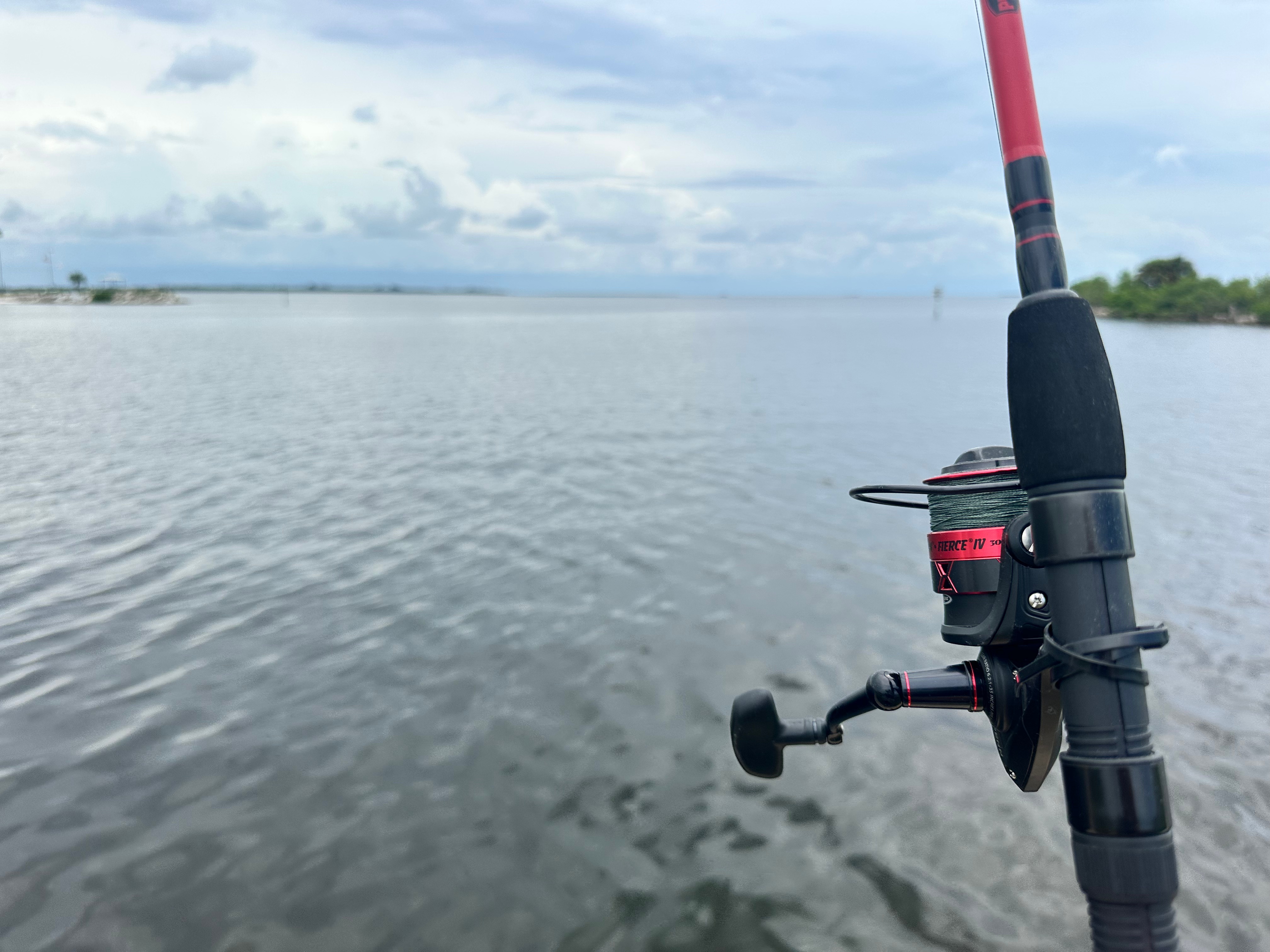
Photo courtesy of Hayden Randolph.