
By Faith Montalvo
TAMPA, Fla. — The Florida Fish and Wildlife Conservation Commission (FWC) hosted three virtual meetings last week to allow the public to comment and ask questions on a proposal for a regulated black bear hunt.
Staff proposed a 23-day season in December, permit distribution through a random drawing, a quota of 187 black bears statewide, and suggestions for implementing dog hunting and hunting at wildlife feeding stations in later years.
The FWC said this proposal will be revised based on the feedback they receive before the commissioners vote on it in May.
The FWC is considering a regulated black bear hunt this year after Commissioner Gary Lester asked staff to begin drafting a proposal last December. The FWC said a regulated hunt would help to manage the black bear population.
In March, the FWC received feedback from the public that was used to create the proposal, and now the agency has asked again.
The FWC estimates the black bear population is just over 4,000 since 2015. Staff said during the meeting that growth rates from 2015 show the population is still increasing, even with the next population study not being completed until 2029.
“We know that all of the populations are actually increasing,” said Michael Orlando, bear management program coordinator at the FWC. “We don’t detect any decreasing in the four large subpopulations.”
The four areas under consideration for the hunt are the East Panhandle, Central Florida, South Florida, and North Florida areas.
Currently, opponents of the hunt are concerned with the proposal as it is.
Katrina Shadix, founder and executive director of Bear Warriors United, said in an interview that the hunt would wipe away a decade of collaboration with the FWC if it’s approved.
“It’s going to create a huge mess for bear management because they have depended on us for nearly a decade to help thousands of people secure their trash and be educated,” she said.
Shadix said she and her organization have spent over $100,000 since 2016 to educate the public and provide straps to secure trash.
The FWC said a hunt would not help to decrease human-bear conflicts that often involve bears being attracted to trash or food.
The FWC said a hunt in December would decrease the likelihood of lactating females and cubs being hunted, as females tend to hibernate before males.
The season is expected to last for 23 days, which is about two weeks longer than the 2015 hunt was expected to be before it was stopped after two days.
Permits for the hunt would be selected through a lottery system, and only one bear would be allowed to be taken per permit.
People 18 or older with no wildlife violations will be able to apply an unlimited number of times to increase their chances of being selected, and applications will cost $5 each time. Residents and non-residents would then pay for the permit after being selected.
The FWC may also allow dogs to be trained in 2026 and hunt in 2027, which also drew criticism from the public during the meeting.
Kate MacFall, the Florida state director for Humane World for Animals — formerly the Humane Society of the United States — said the longer hunting season, the use of dogs in later years, and allowing archery weapons this year is alarming.
“It’s hard to believe that this is what they’re actually putting out there,” she said. “It’s gone from zero to a hundred in one second, and it’s absolutely inappropriate.”
Another option the FWC is considering is allowing hunters to kill bears at wildlife feeding stations on private lands, as long as there’s only one bear present. In 2015, both the bear and hunter had to be at least 100 yards away from a feeding station.
Morgan Richardson, director of hunting and game management at the FWC, said this would prevent females and cubs from being hunted.
“The reason we’re proposing to allow hunting at feeding stations is that we feel the hunters could more successfully identify what type of bear they’re shooting,” Richardson said.
Richardson said the draft of the proposal when it’s revised, will be available to the public two weeks before the May commission meeting.
The public can use the FWC’s commenting tool on their website to provide feedback or email BearComments@MyFWC.com.
–
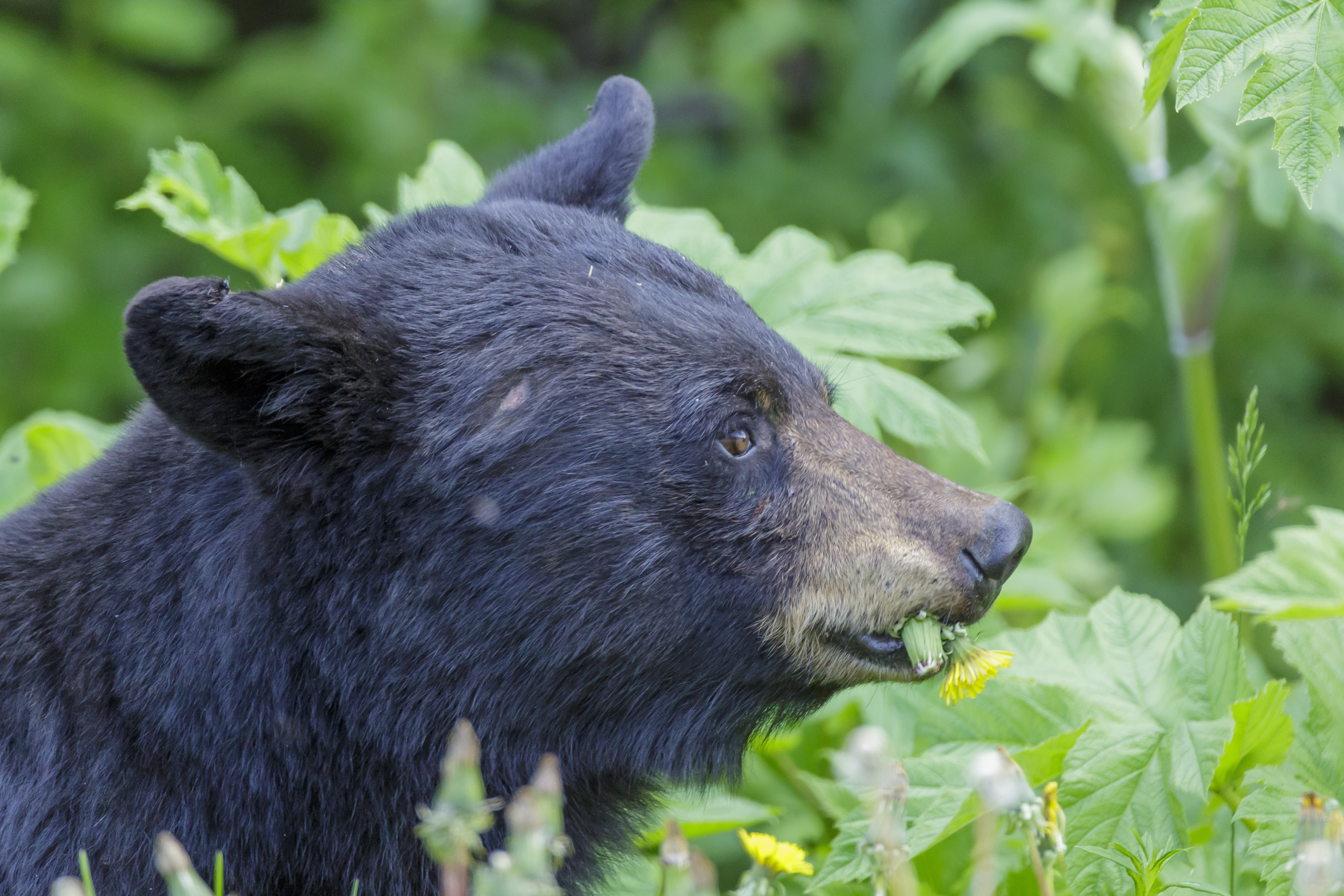
Photo courtesy of Thomas Fuhrmann, CC BY-SA 4.0, via Wikimedia Commons.
_-_Jasper_National_Park_02.jpg)