
By Nicolas Mezzaucella
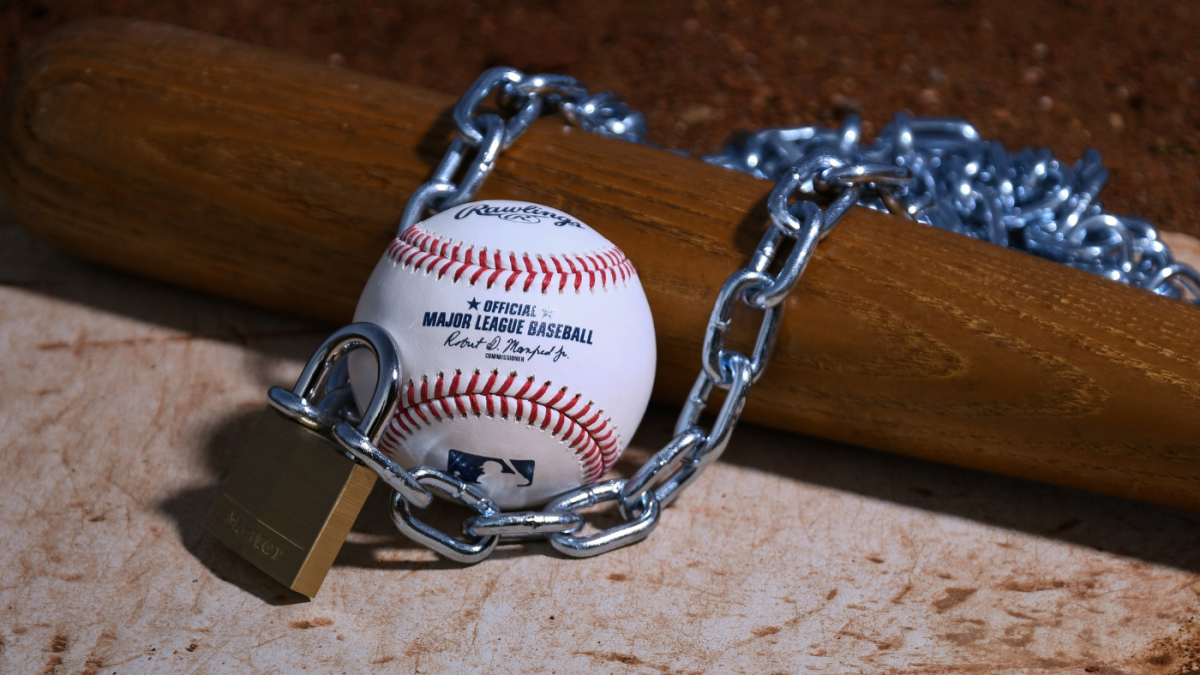
The Major League Baseball Players Association (MLBPA) expects the league to enter a lockout when the current collective bargaining agreement ends following the 2026 season. When the Collective Bargaining Agreement (CBA) ends on Dec. 1, 2026, the league will more than likely enter a labor stoppage, impacting the free agency period and potentially delaying the 2027 MLB season.
“Unless I am mistaken, the league has come out and said there’s going to be a work stoppage,” said Tony Clark, the executive director of the MLBPA, according to Sportico.
Clark’s comments came after MLB Commissioner Rob Manfred recently came out and said that a lockout could be seen as a positive for the league.
“In a bizarre way, it’s actually a positive,” said Manfred on Sportico. “The great thing about offseason lockouts is the leverage that exists gets applied between the bargaining parties.”
Clark stated that the MLBPA expects to begin negotiating with the league office next spring, with the main issue again being adding a salary cap and floor to increase competitive balance in the MLB.
Adding a salary cap and salary floor has been a part of CBA negotiations for years, and the MLBPA and league office have yet to see eye to eye on the issue. The league office and team owners wanted a salary cap to limit the spending of big-market teams and make the league more competitive. The MLB already has a “luxury tax” system that punishes teams for spending over $241 million on their roster, but big-market teams have shown the league that they are not afraid to go over the limit and deal with the extra taxes.
The league office and owners have argued that a salary cap would bring a more competitive balance to the MLB. While that may be true, owners are likely to want a salary cap, as it will limit labor costs and make franchises more valuable to the owners who view their teams as investments.
Other issues that may be brought to the negotiation table are changes to the league’s revenue-sharing system, adding an international draft, and expanding the playoff from 12 to 14 teams.
Regarding revenue sharing, the MLBPA has disagreed with the league’s belief that money should be taken away from big-market teams and shared amongst the smaller markets. The increase in revenue sharing amongst teams has also led to a decrease in revenue sharing amongst players, which is why the MLBPA will again fight against revenue sharing next spring.
During the last CBA negotiations in 2023, the league office and owners tried to get the MLB to add an international draft in place of the international free-agent pool that the league currently uses.
“We don’t believe that an international draft is necessary,” said Clark after negotiations in 2022. “The international draft we proposed we believe … put the pieces in place to ensure that they receive somewhere closer to their value than they were otherwise receiving in their draft proposal or even in the current structure.”
Owners see an international draft as another way of adjusting the competitive balance and taking power away from the big-market teams, but the MLBPA is likely to fight it again, as many of the Latin players in the association are against the draft.
Expanding the playoffs from 12 to 14 teams is something the league office desires, and they shouldn’t have much trouble getting the MLBPA to agree. The league most recently added a third wild card spot in each league in 2022 and brought back the three-game wild card series to add more games to their playoff schedule. By expanding the playoffs to 14 teams, the league will be able to secure more broadcast partnerships for the playoffs, thus increasing revenue.
With the commissioner already preparing for a lockout, fans should expect a labor stoppage before the 2027 season begins. The last lockout in 2022 lasted three months until mid-March, so fans can expect the 2027 season to face delays, potentially affecting the 162-game season from being played in full.
—